25 House Organization Tips That Hold Up Past the First Week
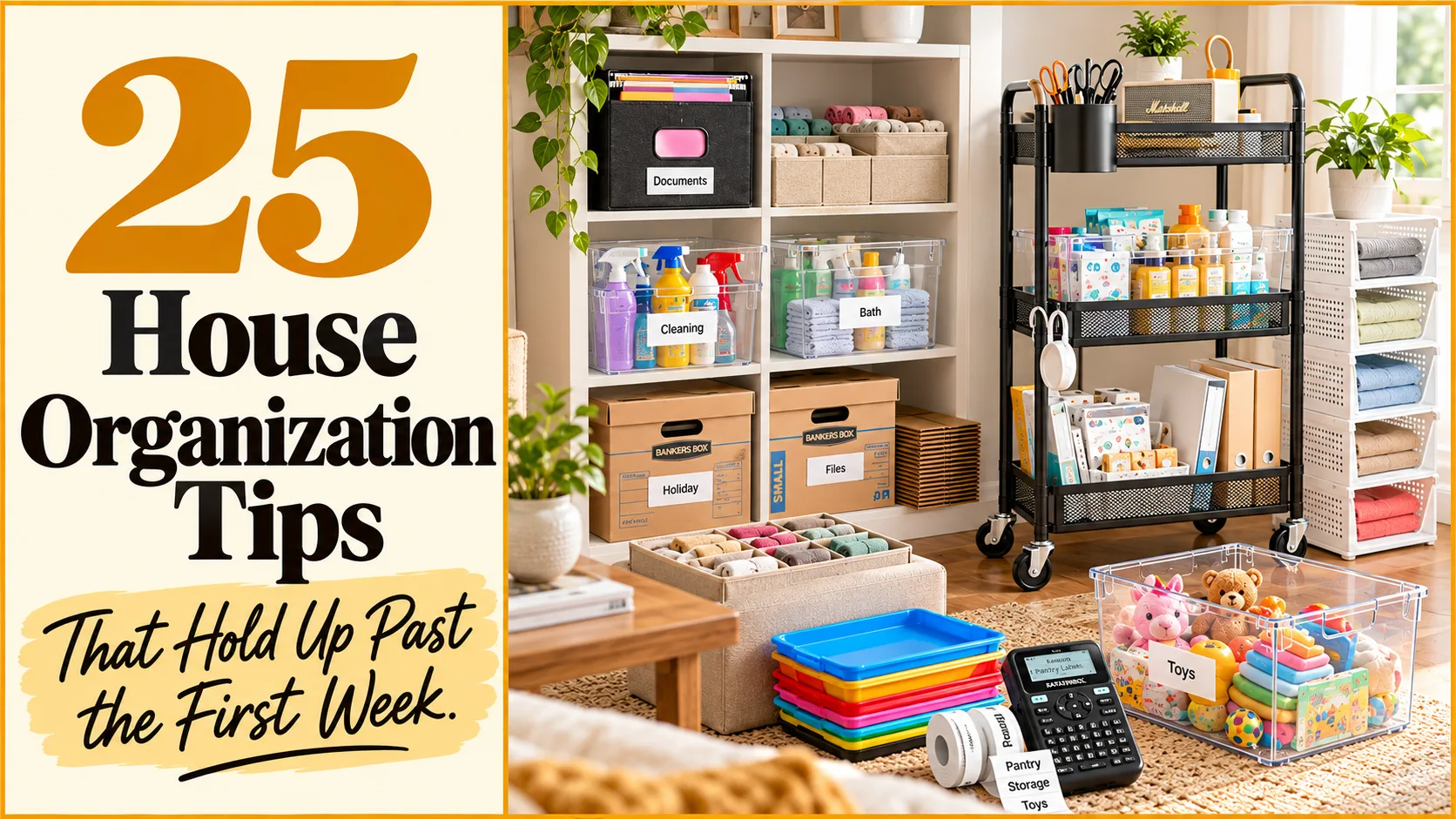
25 house organization tips covering clearing out, sorting, containing, labeling, and maintaining, so the system holds past the first week.

Pin this list
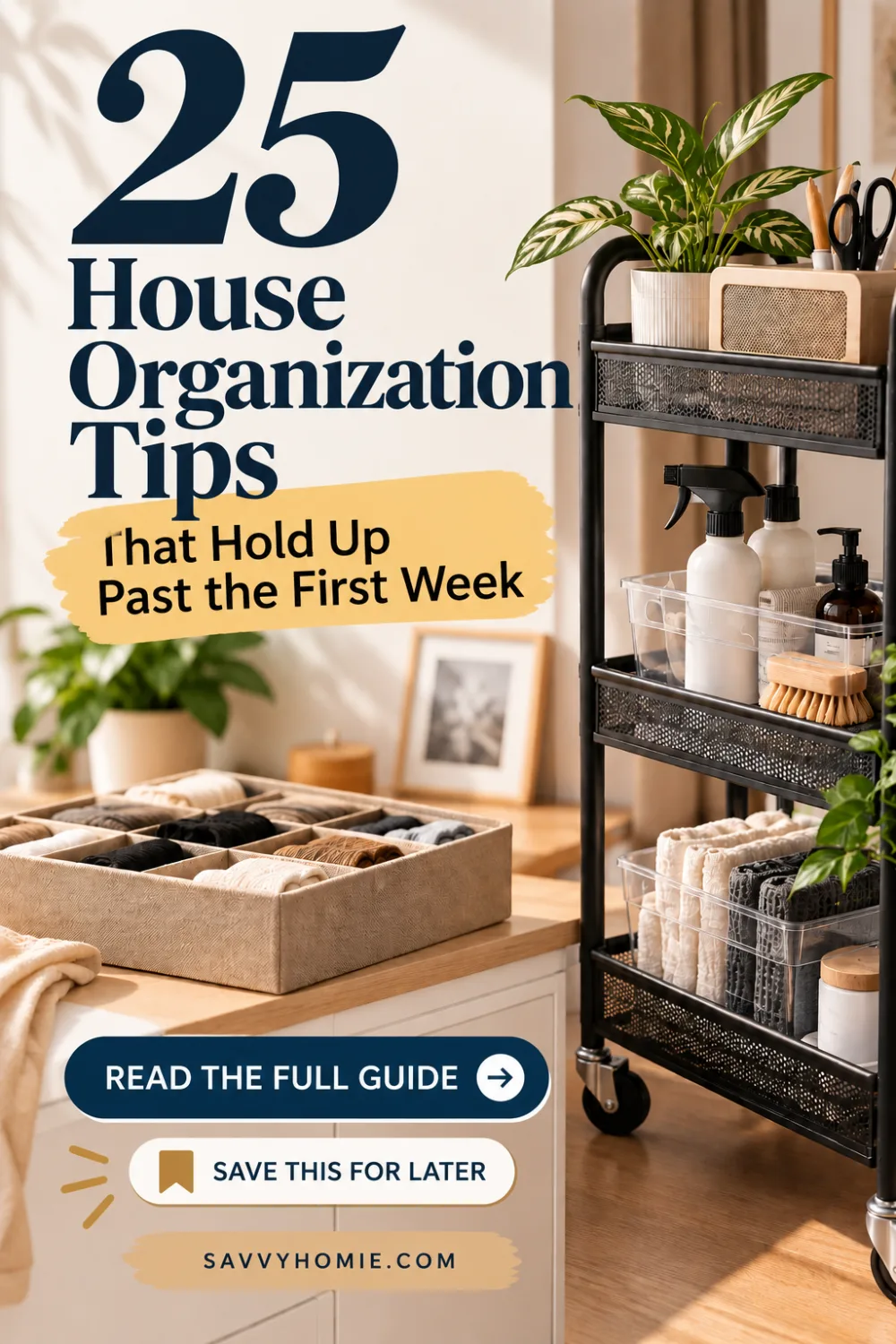
Every house builds up its own small pile of organizing problems, a junk drawer here, a closet that never stayed sorted there, a garage corner that's grown three bins deeper since last spring. Buying bins before deciding what needs to live in them is usually where the whole thing falls apart.
These 25 house organization tips follow the order that holds up in practice: clear a space out completely, sort what's left into real categories, contain it in something built for the job, label the system, then maintain it so it doesn't slide back to where it started.
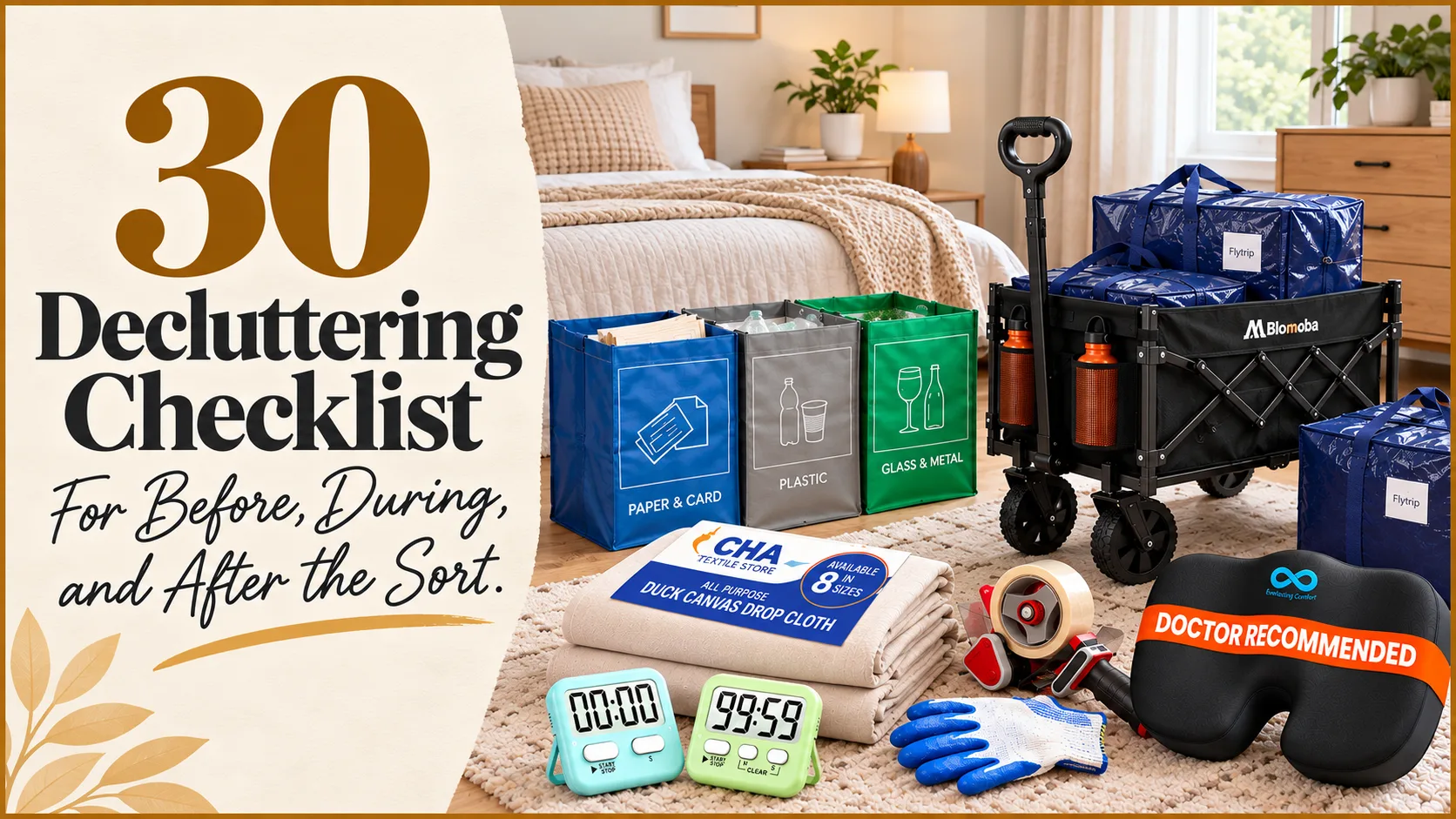
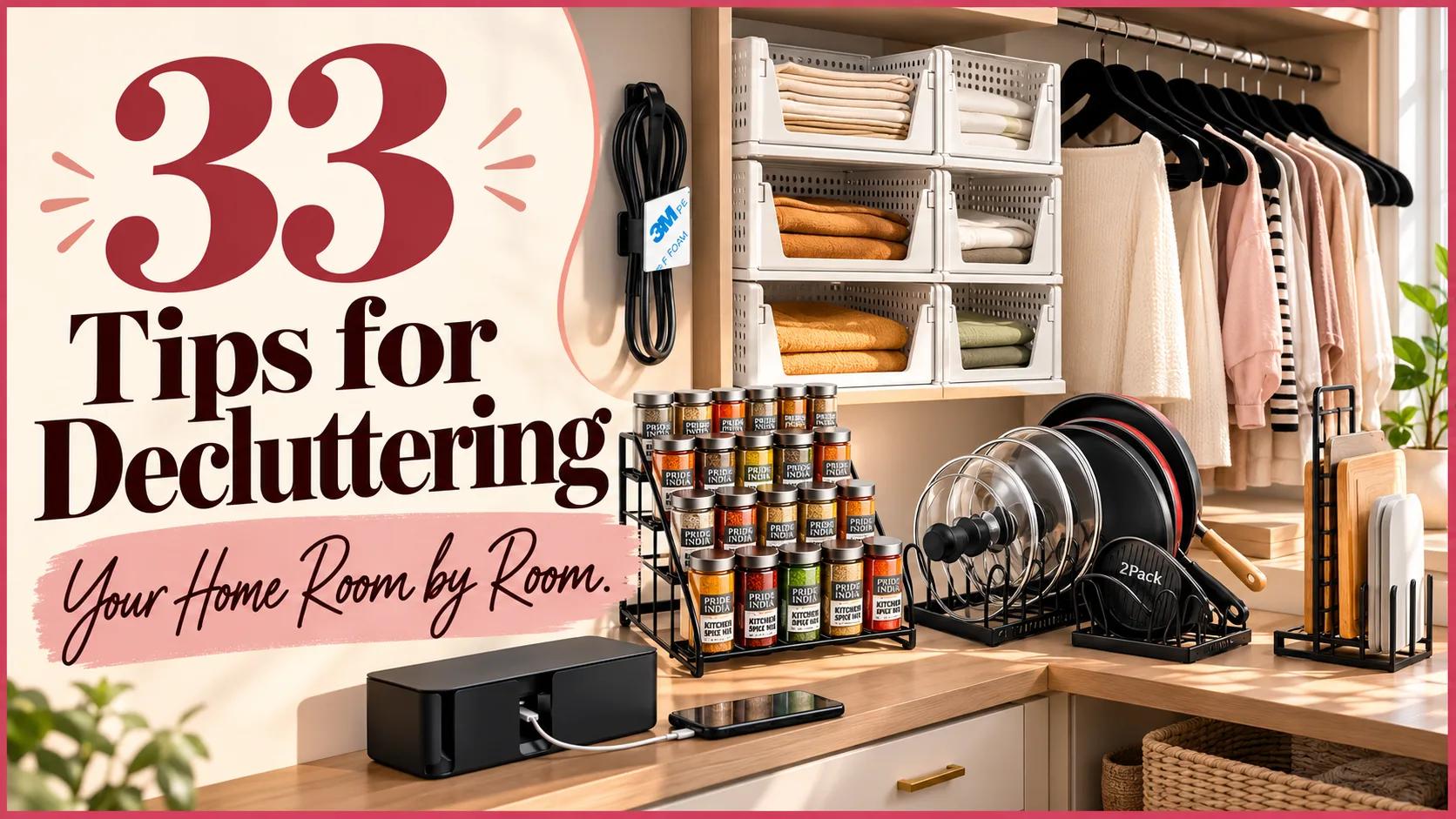
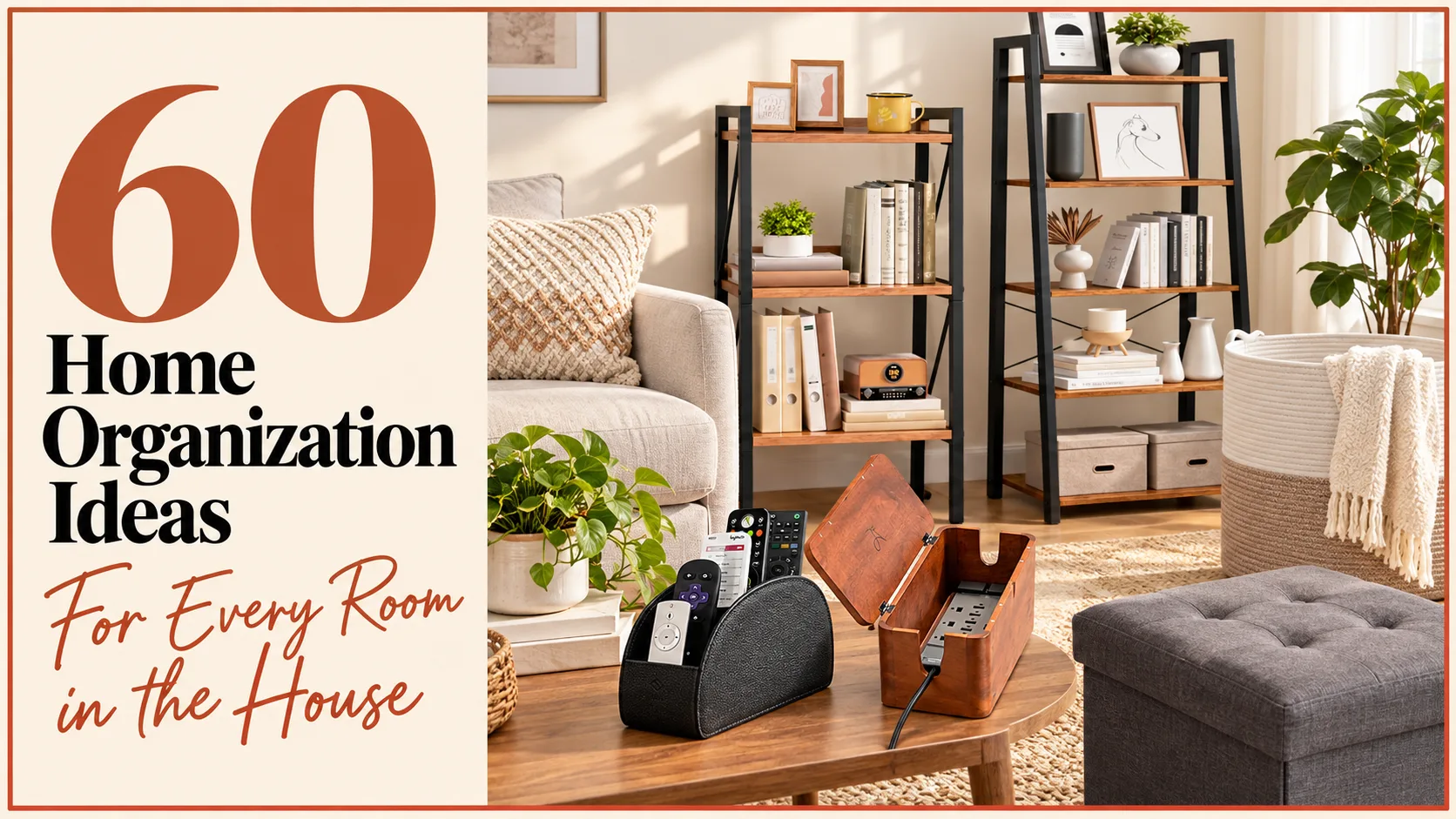
The Home Organization Ideas guide covers the full house room by room, and this one focuses on the process itself, the steps that make any of those room-by-room fixes stick past the first week. The Tips for Decluttering Your Home guide picks up right after, with the specific products for the trouble spots this process clears out, and the Decluttering Checklist guide covers the supplies for the sort itself, from sorting bins to the cleanup after.
Clearing Out Before You Organize Anything
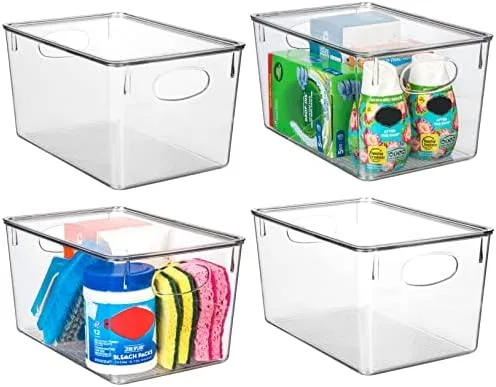
Pull Everything Out of a Space Before Deciding What Stays
Best for: a cabinet you've reorganized three times without ever taking everything out first
Reaching in and rearranging a cabinet one item at a time just moves the same clutter into a new shape. The real decisions never get made that way, because half of what's in there is still hidden behind the rest. Pulling every single thing out onto the floor first is the part that changes anything.
Empty the whole space into a few clear bins, then work through each item on its own before anything goes back. You'll find the expired half of a set, the duplicate you forgot you owned, and the thing that never belonged in that cabinet to begin with.
Check price on Amazon →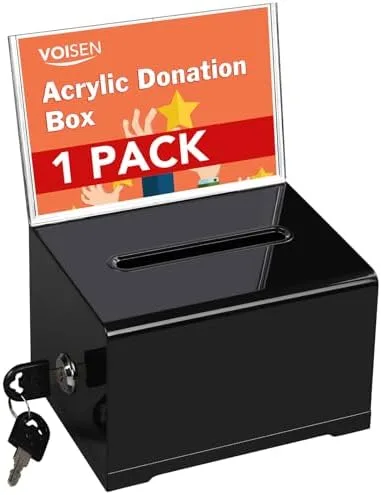
Bag Donations the Same Day They Leave Your Hands
Best for: a donation pile that's been sitting by the garage door since spring
A donation pile without a real container turns into a permanent fixture, growing for months while nobody drives it anywhere. A locking acrylic box gives every item you set aside one job, wait right here until the box fills up and gets dropped off.
Set it somewhere you pass daily, not a back closet where it disappears from memory. Once it's full, it goes in the car that afternoon, not whenever you eventually notice it's been there since spring.
Check price on Amazon →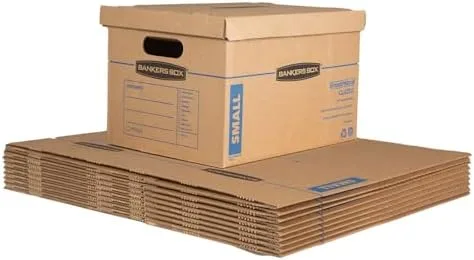
Box Up the Maybe Pile So It Stops Living on the Counter
Best for: a counter with the same undecided pile sitting on it for a week straight
Every real declutter session produces a maybe pile, the stuff you can't quite let go of but also can't find a spot for, and that pile is exactly what ends up camped on the kitchen counter. A stack of real storage boxes gives it somewhere to go that isn't the middle of your kitchen.
Label each box with a date and set a real deadline, thirty days from now. If nothing in it got missed by then, the whole box goes straight to donation without a second round of deciding.
Check price on Amazon →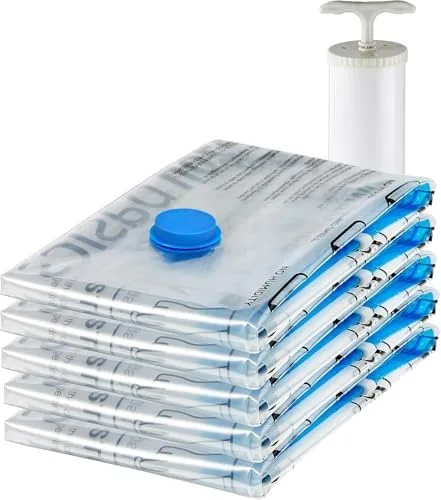
Shrink Out-of-Season Clothes Down to a Fraction of Their Shelf Space
Best for: a closet shelf buried under winter coats in the middle of July
A closet shelf packed with off-season clothes doesn't shrink just because half of what's on it won't get touched for months. Vacuum storage bags pull the air out of bulky sweaters and coats, squeezing a whole shelf's worth of clothing down small enough to fit in one corner instead of across the entire rod.
Sort clothes by season before sealing anything, then stack the flattened bags on a high shelf or under a bed. What opens up goes straight to whatever's still in your regular rotation this week.
Check price on Amazon →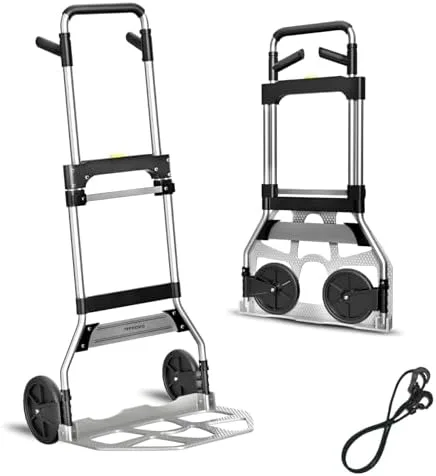
Wheel the Giveaway Pile Out in One Trip
Best for: someone who's made four separate trips to the car carrying two boxes each time
Carrying donation boxes out one or two at a time turns a ten-minute job into an hour of walking back and forth, and that's usually the exact reason the pile sits there instead. A folding hand truck stacks several boxes at once and rolls the whole load out in a single pass.
Load it up right by the front door and wheel everything straight to the car in one trip. Fold it flat and tuck it in a closet when it's not in use, it takes up almost no real space of its own.
Check price on Amazon →Sorting Into Categories That Make Sense
Sort Like Items Into a Tray Before You Decide Where They'll Live
Best for: a floor covered in one undifferentiated pile that's supposed to be halfway organized by now
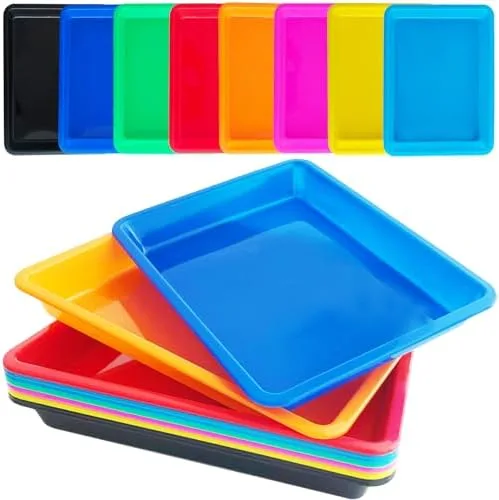
A single pile on the floor during a big sort turns into its own kind of mess, everything blurs together and small items get lost in the middle of it. A set of shallow color-coded trays lets you split that pile into real categories the moment you touch each item, instead of sorting the whole thing twice.
Assign one color per category, blue for office supplies and red for the kids' stuff, then drop items straight into the matching tray as you go. By the time the pile's gone, the sorting is already done.
Check price on Amazon →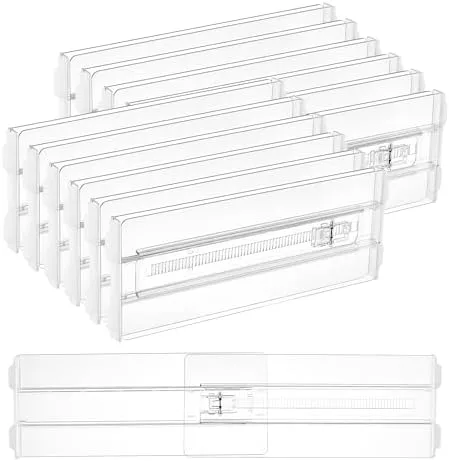
Split a Junk Drawer Into Real Categories, Not One Tangled Mess
Best for: the drawer that's supposed to have tape in it but somehow never does
Every house has one drawer that absorbs whatever doesn't have a home, batteries tangled with rubber bands, a lone screwdriver wedged against takeout menus. Adjustable dividers split that single drawer into real lanes, so batteries stay with batteries instead of migrating into everything else.
Measure the drawer and slot the dividers in to match what's going inside it, not a generic even split. Open it a month later and tape is still where tape goes, not buried under three other categories.
Check price on Amazon →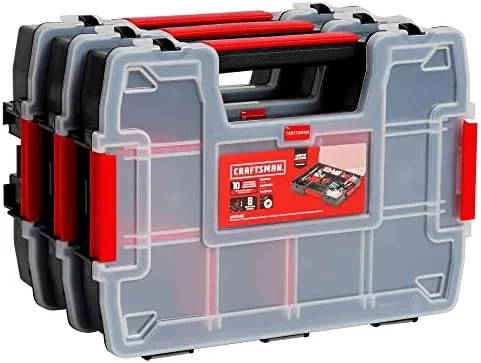
Catch Small Parts in Their Own Compartment Before They Scatter Again
Best for: a toolbox where the screws for three different projects are all mixed into one cup
Screws, picture hooks, and spare cabinet knobs thrown into the same junk cup turn every small repair into digging through parts that belong to something else entirely. A compartmented organizer box gives each type its own cell, so nothing scatters back into a shared pile after you close the lid.
Sort by project or by part type, whichever matches how you go looking for things later. The next time a cabinet hinge needs a specific screw, it's sitting in its own compartment instead of mixed in with everything else.
Check price on Amazon →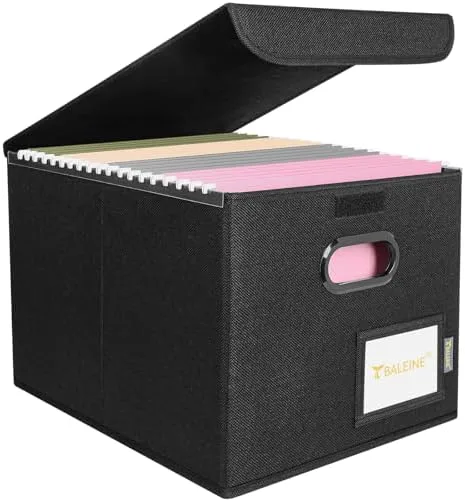
Trade the Growing Paperwork Stack for a Portable File Box
Best for: mail that's been stacking up on the same corner of the counter for weeks
Mail and paperwork left loose on the counter grow into a taller stack every single day they're ignored, and by the time you need one specific document it's buried somewhere in the middle. A portable file box with hanging folders gives bills, school forms, and receipts their own labeled slot the moment they come in.
Carry it to the kitchen table or wherever paperwork gets dealt with in your house, and file things the same day they arrive. The counter stays clear, and the one document you need later is exactly where you filed it.
Check price on Amazon →Containing What Stays
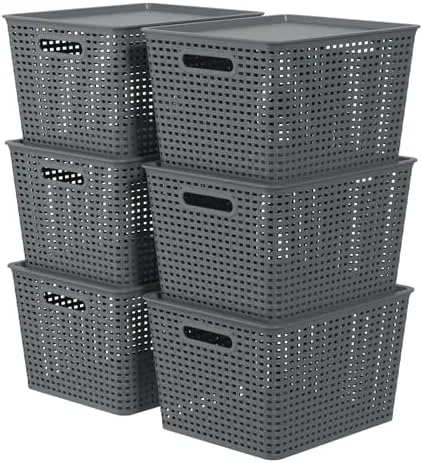
Match Every Bin to the Same Set Instead of a Mismatched Collection
Best for: a shelf with three different bin styles that never quite line up
Whatever bins were on sale over the years end up on the same shelf with mismatched heights and colors that never quite stack flush, so the whole thing reads as cluttered even when it's technically organized. A matching set of lidded baskets in the same finish makes the shelf look intentional the moment they're loaded on.
Assign one basket per category and keep the set together on the same shelf rather than splitting it across rooms. The uniform look does real work here, since a shelf of matching baskets reads calm even from across the room.
Check price on Amazon →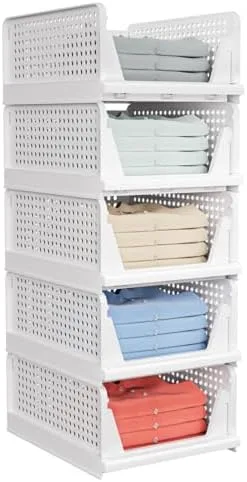
Stack Bins on a Real Shelf So None of Them Lean or Topple
Best for: a closet corner where stacked bins lean a little more every time one gets pulled out
Bins stacked directly on top of each other without a real frame shift every time you pull the bottom one, and eventually the whole stack leans until something tips. A stackable drawer shelf system gives each bin its own fixed slot, so pulling one out doesn't disturb the ones above or below it.
Build the stack up to fit the actual height of the closet or corner it's going in, then load it heaviest at the bottom. Nothing leans, and grabbing one drawer no longer means catching the rest of the stack with your other hand.
Check price on Amazon →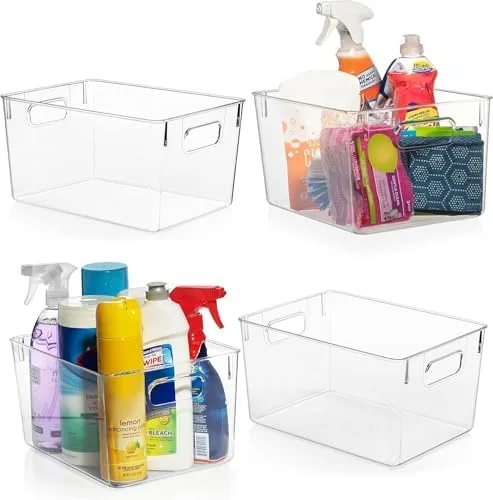
Switch to Containers You Can See Through and Skip the Guessing
Best for: a cabinet where three opaque bins all have to be opened before you find the right one
Opaque bins hide their contents just as well as no bin at all, so finding anything means popping lids on two or three before landing on the right one. Clear bins let you see what's inside from across the room, no opening required.
Load them under a sink, in a pantry, or in a linen closet and skip labeling entirely if the contents are visible enough on their own. Grabbing the right bin becomes a glance instead of a search.
Check price on Amazon →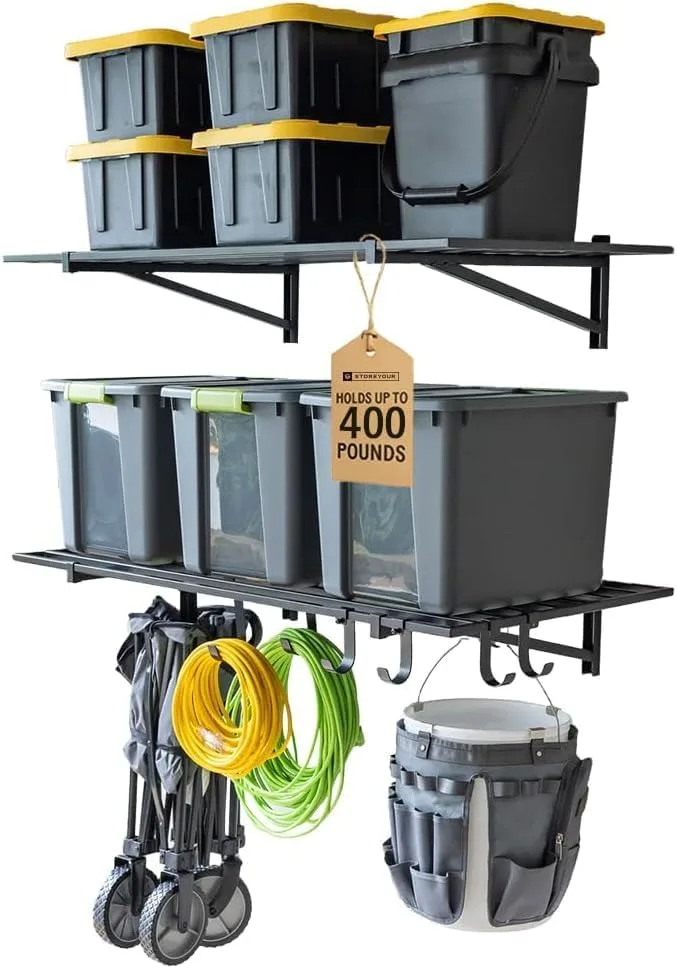
Rack Bulky Totes Overhead Instead of Stacking Them on the Garage Floor
Best for: a garage floor where the same six totes have been parked in the same spot for a year
Bulky totes stacked on a garage floor eat up parking or workspace year-round, even though a lot of them only get opened once or twice a season. A rated overhead rack claims the ceiling space above the car, with hooks along the front edge for cords and a tool bucket.
Mount the brackets into real ceiling joists and load the rated totes across the shelf, heaviest ones centered. The floor opens back up completely, and the totes are still one step-stool away, not buried behind everything else.
Check price on Amazon →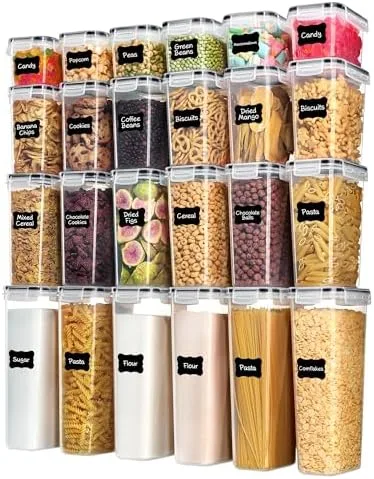
Seal Bulk Supplies in an Airtight Container the Original Bag Never Offered
Best for: a pantry shelf with a flour bag held shut by a binder clip
A bulk bag of flour, rice, or pet food comes with a flimsy seal that stops closing after a few uses, so every refill means fighting a binder clip or a rubber band that's about to snap. An airtight container with a real locking lid keeps bulk supplies fresh and closes the same way every single time.
Pour the whole bag in as soon as it comes home, before the bag itself gets torn or loses its own seal. Nothing spills, nothing goes stale early, and the shelf looks like a matched set instead of a row of half-open bags.
Check price on Amazon →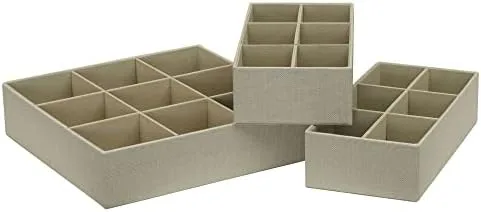
Slide Drawer Inserts In So Items Quit Sliding Into One Heap
Best for: a dresser drawer where socks and undershirts slide into one tangled heap every time it's opened
A drawer with no real dividers turns into one shifting heap the moment anything gets pulled out, socks slide into the shirt pile and stay there. Fabric drawer inserts in a few different sizes split the same drawer into fixed sections that don't move when you reach for one item.
Measure the drawer first and mix insert sizes to match what's going in it, smaller cells for socks, a wider one for folded shirts. Open the drawer a week later and everything's still exactly where it was sorted.
Check price on Amazon →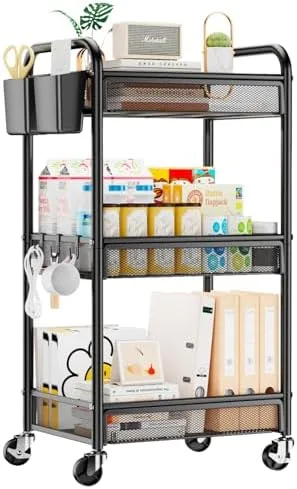
Roll Off-Season Gear Onto a Cart and Clear the Floor Completely
Best for: a garage corner where sports gear and cleaning supplies both live in the same pile on the floor
Off-season gear stacked directly on a garage or closet floor spreads out over time, because there's nothing keeping the pile contained to one footprint. A multi-tier rolling cart stacks the same amount of stuff vertically instead, and keeps it off the floor entirely.
Load the bottom tier heaviest and roll the whole cart against a wall when it's not in active use. The floor space it used to take up as a loose pile is now just gone, back to being usable floor.
Check price on Amazon →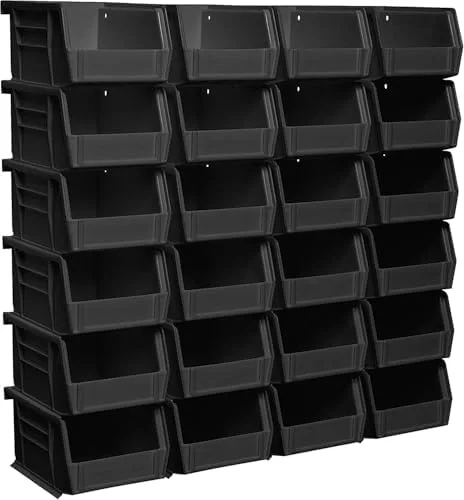
Mount a Shelf on the Wall and Take the Pile Off the Floor
Best for: a garage wall with nothing on it while the floor underneath is stacked three bins high
A bare garage or utility wall sits there doing nothing while bins pile up on the floor below it, and floor-stacked bins are exactly the ones that get buried and forgotten. A wall-mounted bin rack claims that empty wall and gets the same bins up off the ground where every one is visible and within reach.
Anchor it into real studs before loading anything heavy, then load the heaviest bins low and the lightest ones up top. The floor clears out, and every bin is visible at a glance instead of stacked in a pile you have to dig through.
Check price on Amazon →Labeling the System So It Sticks
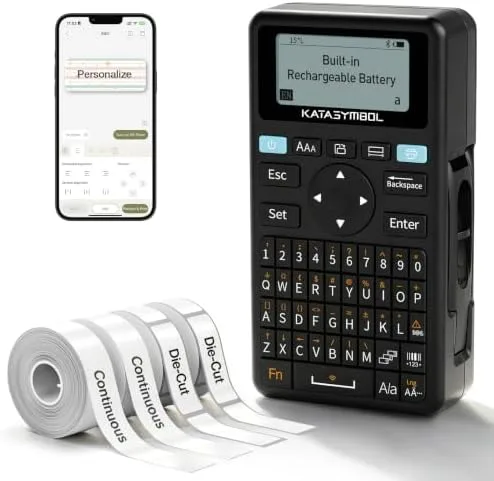
Print Labels That Hold Up Better Than Handwriting Does
Best for: a shelf of bins where half the handwritten labels have already smudged off
A handwritten label on masking tape fades, smudges, or peels within a few months, which means the system you just built starts quietly falling apart before anyone touches a single bin. A label maker prints clean, consistent text that reads the same on day one and day three hundred.
Label every bin the same day you fill it, not weeks later once you've forgotten what half of them hold. Consistent printed labels also make the whole shelf easier for anyone else in the house to use without stopping to ask you first.
Check price on Amazon →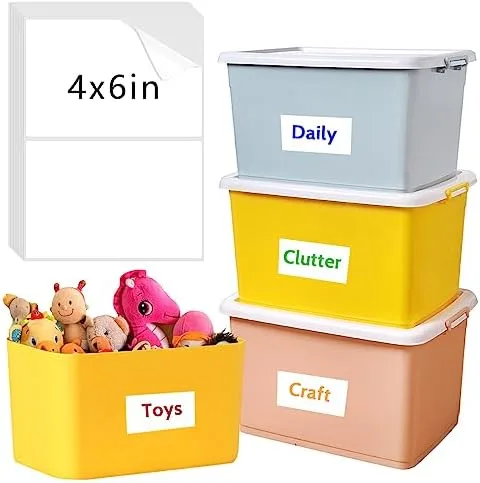
Swap Permanent Marker for a Removable Tag on Every Bin
Best for: a bin labeled Kids Toys that's held three different things since last spring
A permanent marker label locks a bin into one category forever, so the second its contents change, you're either living with a wrong label or replacing the whole bin. Removable tags let the label change right along with whatever's inside that week.
Write directly on the tag or print a small insert, then swap it out the moment that bin's job changes. The label stays accurate for as long as the bin is in use, not just for the first few weeks.
Check price on Amazon →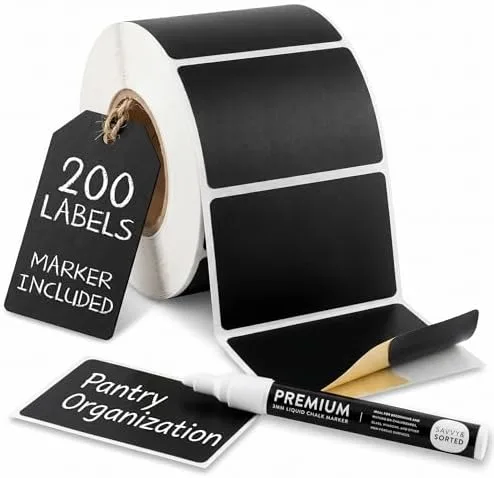
Let a Chalkboard Label Update as a Bin's Contents Change
Best for: a pantry where the same handwritten label has been crossed out and rewritten three times
A pantry or fridge system where contents rotate week to week fights against any fixed label, since what's inside a bin this week might be different by next month. A chalkboard-style label wipes clean and rewrites in seconds, no crossing out, no replacement tag.
Wipe and relabel it the same day contents change, right when you're already restocking. The label stays honest about what's sitting in the bin right now instead of becoming background noise nobody trusts anymore.
Check price on Amazon →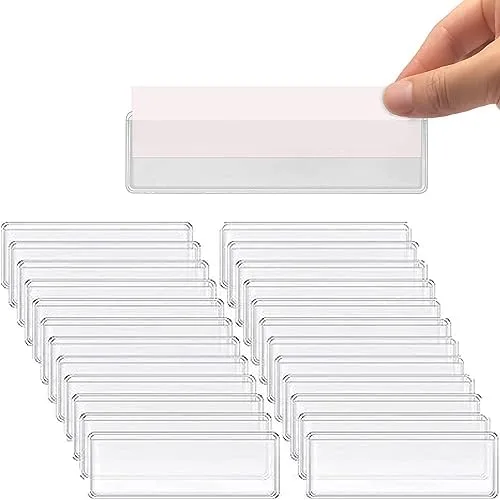
Label the Shelves Too, Not Just the Bins Sitting on Them
Best for: a bin that ends up one shelf higher every time someone else puts it away
Labeling the bin but not the shelf it belongs on means a bin can drift. Someone puts it back one shelf up or down, and within a month the whole system's out of order. Adhesive label holders mounted directly on the shelf edge mark exactly where each bin goes, not just what's inside it.
Stick one holder at the front edge of every shelf and slide a matching label in. Anyone putting a bin away, including a kid or a guest, can match the label to the shelf without guessing where it used to live.
Check price on Amazon →Maintaining It So It Doesn't Slide Back
Reset a Space in Minutes With a Caddy Built for Exactly That Job
Best for: a living room that gets messy again within a day of being cleaned
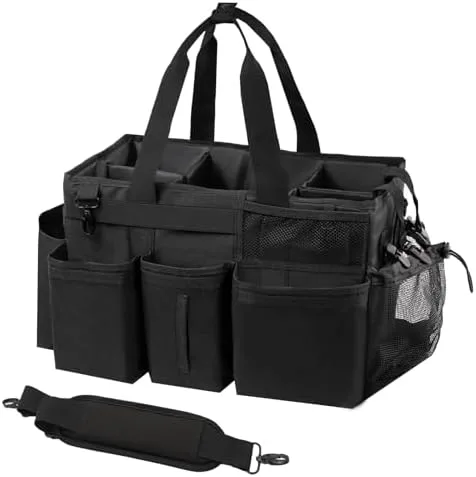
Even a fully organized living room or playroom drifts back toward clutter within a day or two, because putting stray items away one at a time feels like too much effort in the moment. A compartmented caddy built for a fast reset lets you sweep loose items into their sections in one pass instead of a dozen separate trips.
Keep the caddy somewhere close, a closet shelf or under a console table, and do a five-minute sweep before anyone sits down for the evening. The room resets fast enough that it stops feeling like a chore.
Check price on Amazon →
Leave One Donation Box Open Permanently, So a New Pile Never Starts
Best for: a house that does one big donation run a year instead of donating as things come up
Waiting for one big annual donation push means outgrown clothes and unused items sit in limbo for months between now and whenever that big cleanout finally happens. A dedicated donation box left open year-round gives anything you're ready to part with a home the moment you decide, no waiting for a bigger project.
Keep it somewhere easy to reach, a closet or a mudroom, and drop items in the second you notice you're not using them. Drive it to donation whenever it fills up instead of once a year, and the giveaway pile never has a chance to build up again.
Check price on Amazon →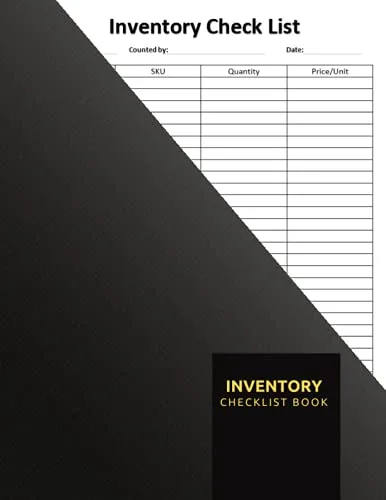
Note What Lives in Each Bin on a Printable Inventory Sheet
Best for: a garage full of labeled bins where you still can't remember which one has the holiday lights
Labeled bins only help until the labels are broad categories like Holiday or Sports, and you're still opening three of them to find the one item you need. A printable inventory checklist lets you log exactly what's inside each specific bin, down to the individual item.
Keep the checklist near the storage area and update it the moment a bin's contents change. The next time you need one specific thing, you're checking a list instead of opening every bin on the shelf.
Check price on Amazon →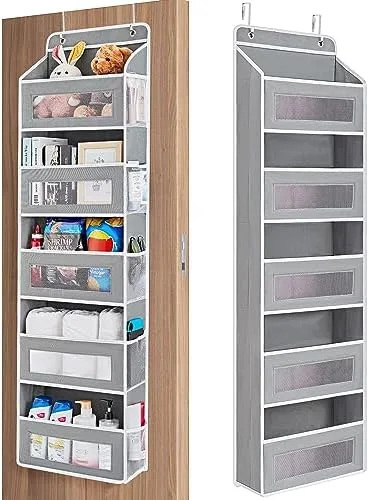
Hang an Over-the-Door Organizer to Catch Daily Overflow Before It Hits the Counter
Best for: a counter that collects mail, keys, and school papers before anyone sorts them
Mail, permission slips, and a stray pair of gloves all land on the nearest flat surface because there's nowhere designated for any of it yet. An over-the-door organizer with multiple pockets gives that daily overflow a real spot that isn't the kitchen counter.
Hang it on whichever door gets walked through most, a pantry door or a coat closet, and assign each pocket to one category. What used to pile up on the counter gets sorted into a pocket the moment it comes through the door.
Check price on Amazon →FAQ
What's the first step in organizing a house that feels overwhelming?
Pull everything out of the one space bothering you most before buying a single bin. Sorting what's already there shows you what the space needs to hold, since rearranging clutter in place just moves the same mess into a new shape.Should I sort by room or by category when organizing a whole house?
Category first, room second. Sorting trays let you group like items together as you touch them, so all the office supplies end up together even if they came from three different rooms. Each category then gets assigned back to the room it belongs in.How do I stop a newly organized space from getting messy again?
Build in a fast reset instead of expecting the space to stay perfect on its own. A compartmented caddy for a five-minute nightly sweep and one permanently open donation box both do more for staying organized than any single storage purchase.Do I need to label everything when organizing a house?
Label the shelf as well as the bin, not just the bin. A bin without a shelf label drifts to a different spot every time someone puts it away, and within a month nothing's where the label says it should be.What's the biggest mistake people make organizing a house?
Buying bins before sorting. A matching bin set looks organized on a shelf for about a week if what's inside was never sorted first. The mess just moved into a nicer container.Final Thoughts
None of this works as one giant weekend project, the kind that starts strong and stalls out by the second room. Clear one space, sort it, contain it, label it, and let the system prove itself before moving to the next room. The order matters more than the bins do.