33 Tips for Decluttering Your Home Room by Room
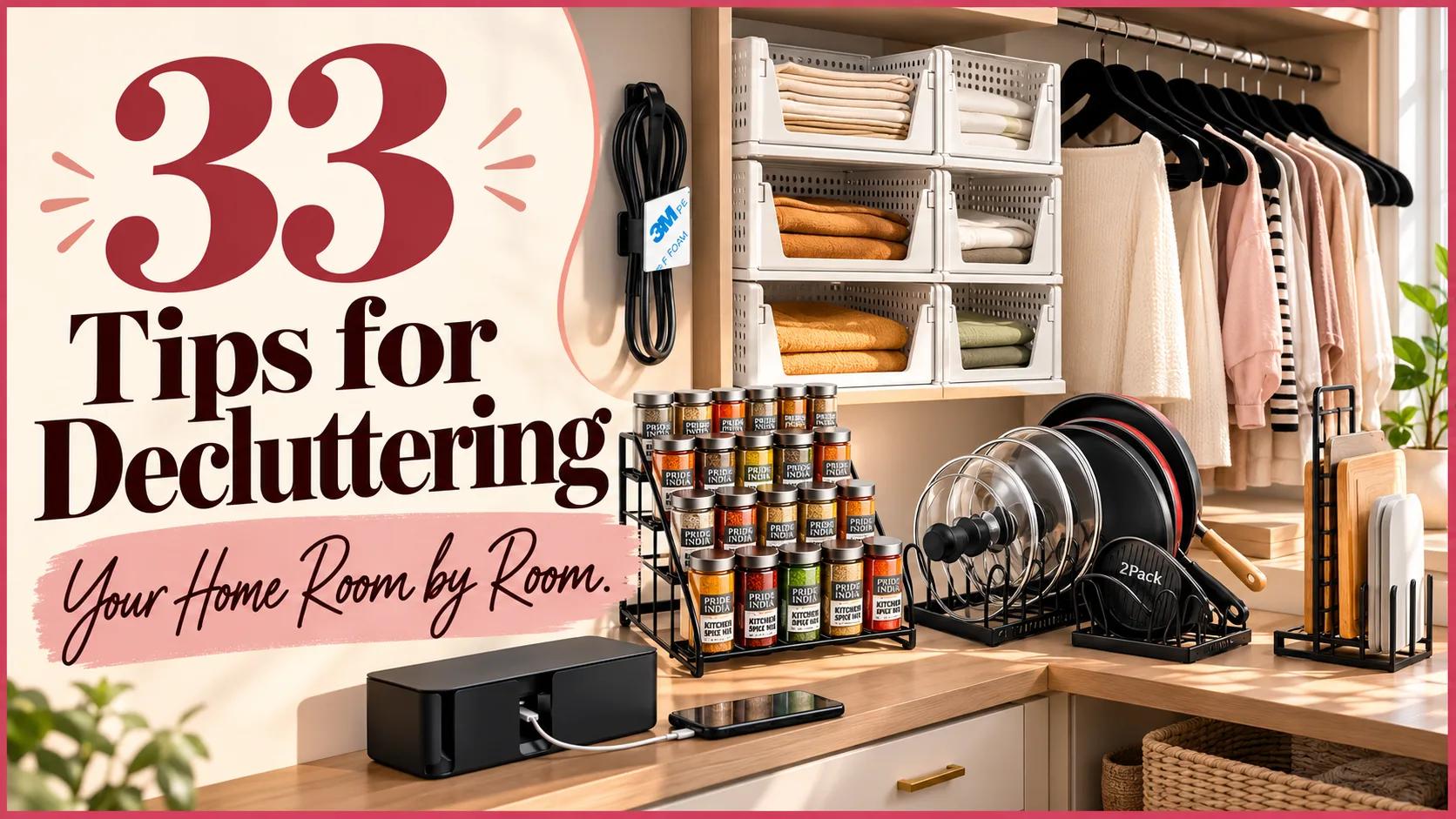
33 tips for decluttering your home, from tangled cords and overstuffed closets to kitchen drawers, paper piles, and counter clutter.

Pin this list
Mama, if you've ever shoved a basket of mail behind the couch thirty seconds before someone rang the doorbell, you already know exactly why this list exists. Cords tangle behind the TV. A closet rod runs out of room. The junk drawer stops closing all the way. None of it's a big deal by itself, it's just a lot of small annoying things happening in the same house at the same time.
These 33 tips for decluttering your home work through the real trouble spots in order: cords and cables, closets, kitchen drawers, dead space around doors and corners, the paper pile that never shrinks, and the small stuff that clutters a counter.
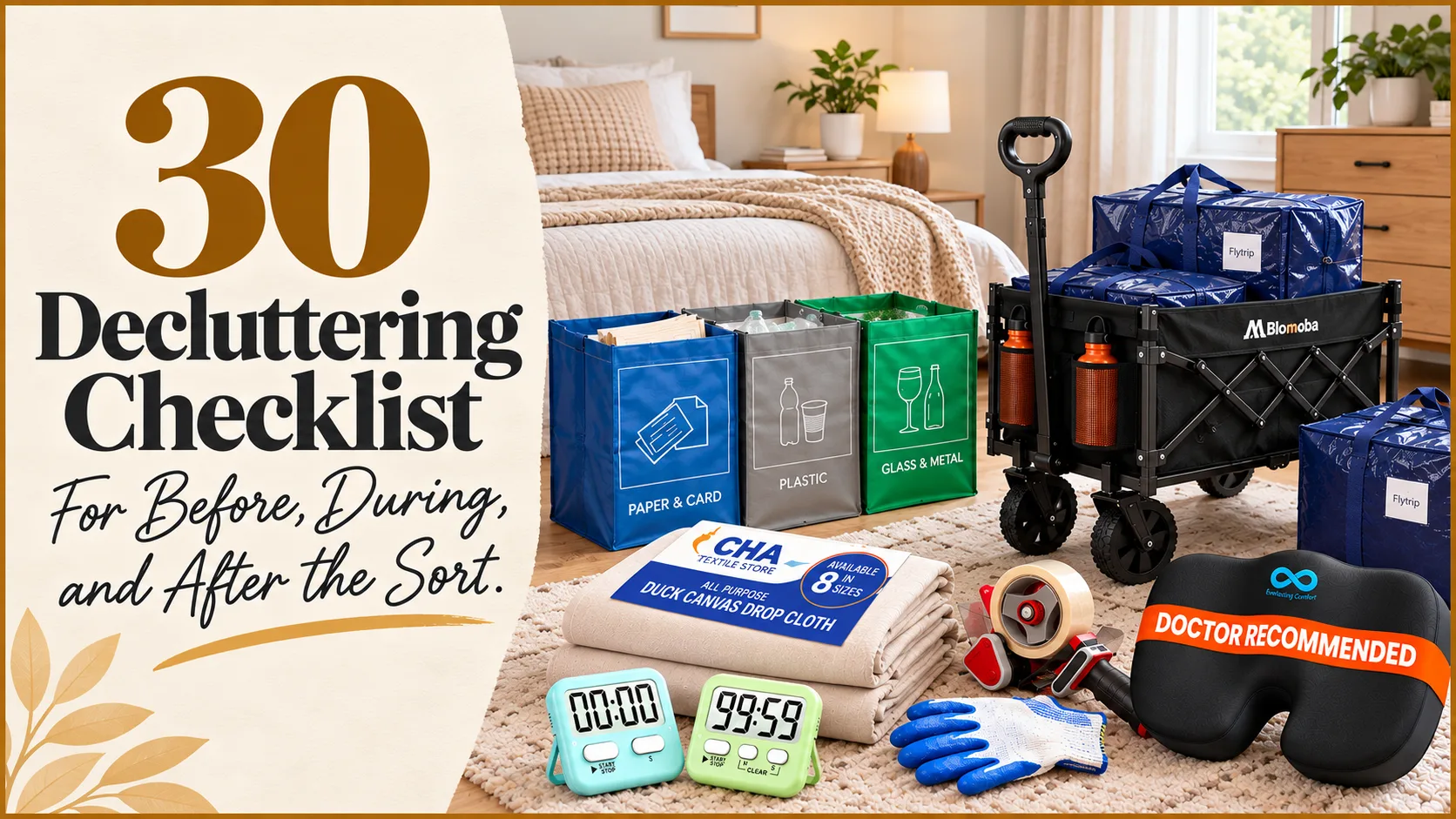
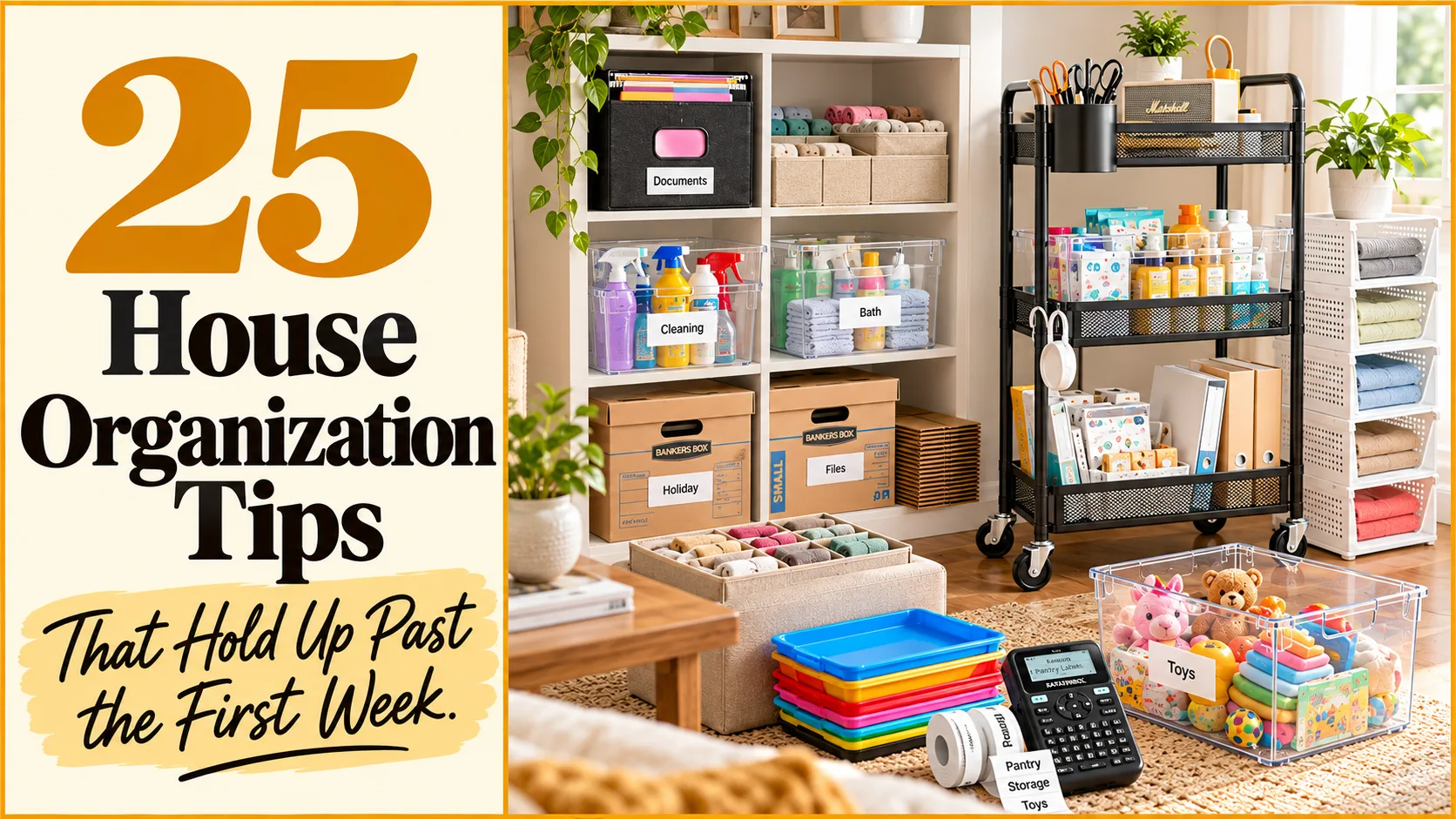
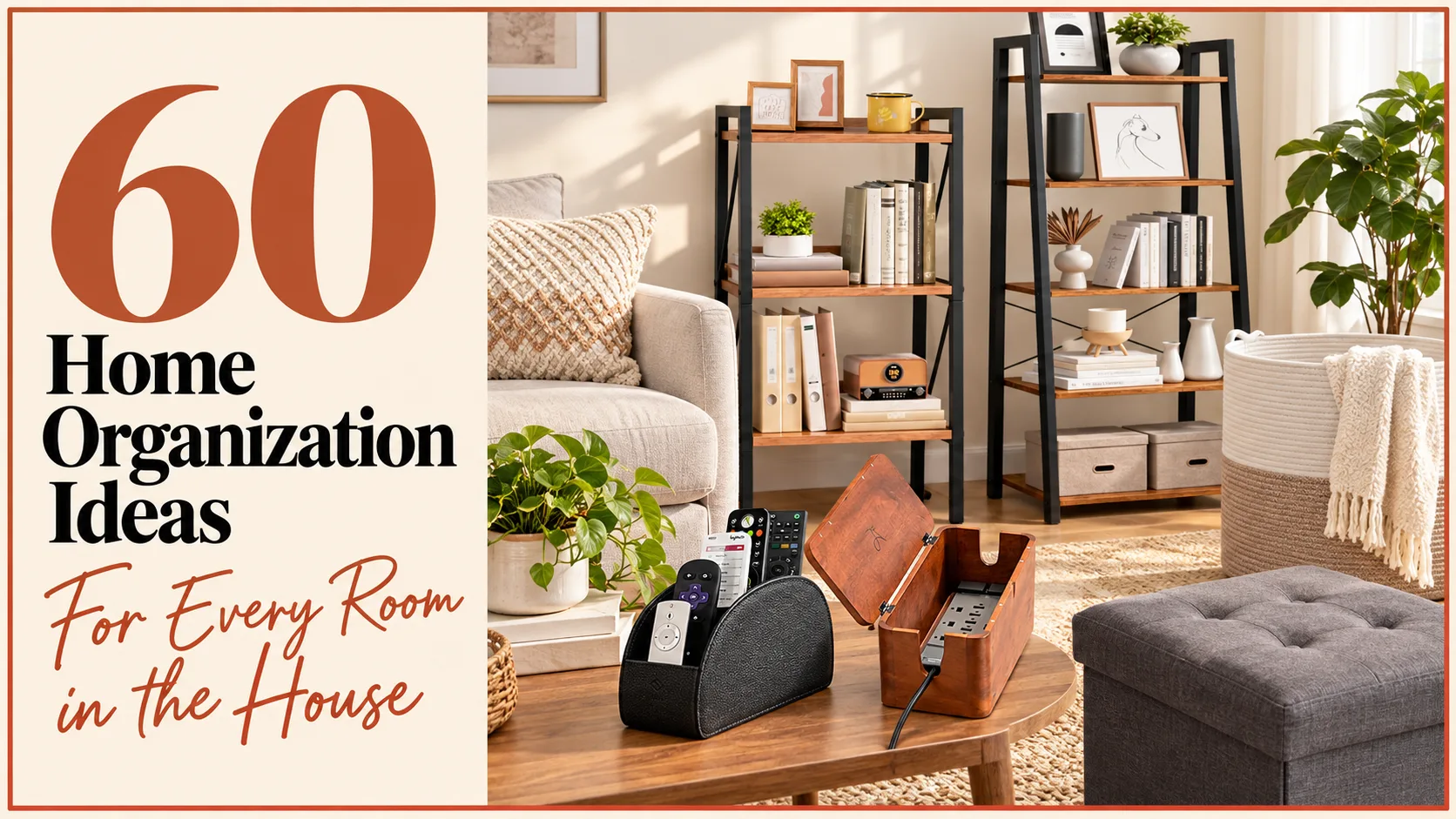
The Home Organization Ideas guide covers the full house room by room, the House Organization Tips guide covers the clear-sort-contain-label process behind any of it, and the Decluttering Checklist guide covers the real supplies for a sort session itself.
Cords and Cables That Take Over a Room
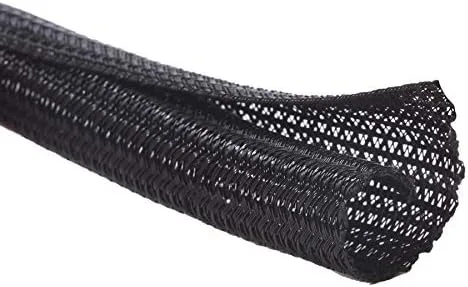
Bundle Cords Into One Sleeve So the Tangle Behind the TV Disappears
Best for: a cable mess that shows every time the TV cuts to black between shows
You know that spot behind the TV you just don't let anyone look at too closely? A TV, a game console, and a router all cabled up separately turns that wall into a knot that grows every time something new gets plugged in. A braided sleeve gathers every cord running to the same outlet into one flexible tube.
Feed the cords through the sleeve's open seam and zip it closed along the length you need. The tangle disappears behind one clean line, and that corner finally stops being the one you steer guests away from.
Check price on Amazon →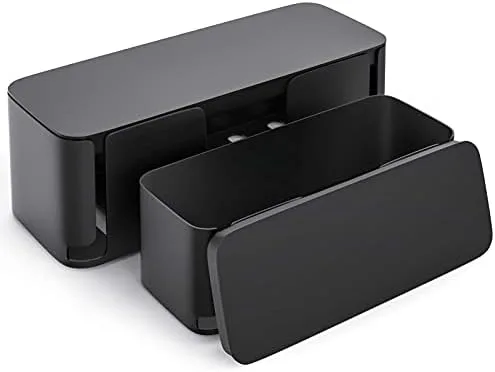
Tuck a Power Strip Inside a Vented Box So It Stops Sitting in Plain Sight
Best for: a power strip on the floor with cords fanning out in every direction
A power strip left out in the open collects dust and somehow ends up being the first thing anyone's eyes land on, even on a day the rest of the room looks great. A vented box hides the strip and every cord plugged into it behind one closed lid, with slots cut for the cords that need to pass through.
Set the strip inside, thread your cords out through the cutouts, and close the lid. What used to be the messiest spot in the room becomes one plain box nobody gives a second glance.
Check price on Amazon →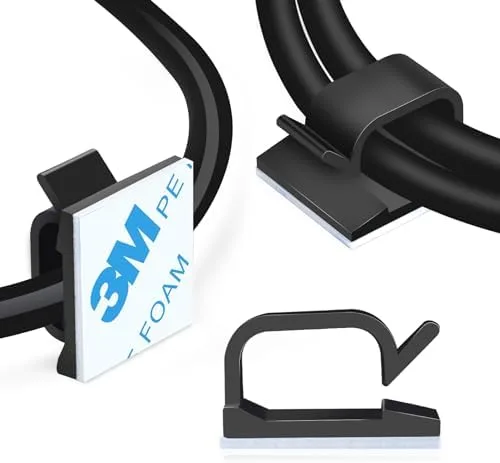
Stick Cord Clips Under a Desk and Stop Cables From Crawling Across the Floor
Best for: a charger cord that's become a trip hazard between the desk and the wall
A charging cord left loose between a desk and the nearest outlet becomes the thing you catch your foot on at least once a week, usually while your hands are full of something else. Small adhesive clips stuck along the underside of the desk route the cord up and out of the way completely.
Peel the backing, press each clip into place along the path you want the cord to travel, and snap the cord in. It stays pinned above the floor, so you stop doing that little stumble-recover dance every time you walk past.
Check price on Amazon →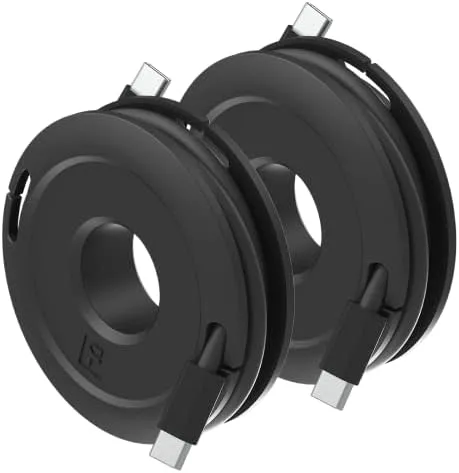
Wind Spare Charging Cables Onto a Reel and Skip the Drawer Knot Entirely
Best for: a junk drawer where three different chargers have fused into one knot
Spare charging cables thrown loose into a drawer twist around each other within days, so pulling out the one you need drags the other two along with it, every single time. A compact winder reel holds one cable wound flat and separate from the rest.
Wind each spare cable onto its own reel before it goes back in the drawer. The next cable you need comes out clean, with nothing else attached, and nobody's muttering under their breath at the junk drawer again.
Check price on Amazon →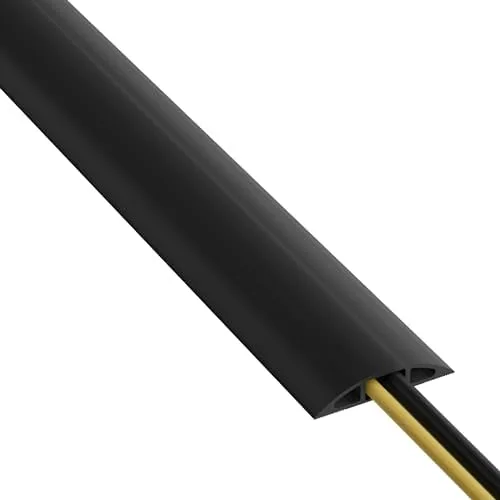
Run Cords Through a Channel Along the Baseboard Rather Than Across the Floor
Best for: a cord taped to the floor in a spot everyone keeps stepping over
A cord taped down across open floor is still something a guest's going to clip with a shoe, tape or no tape, and you already know the apology that follows by heart. A low-profile channel runs along the baseboard instead, holding the cord flat against the wall where feet never land.
Press the channel down along the route you need the cord to travel and tuck it inside before snapping the lid shut. The floor stays completely clear, and that apology finally stops needing to get made.
Check price on Amazon →Closets That Can't Hold One More Hanger
Compress Bulky Sweaters Into a Flat Bag and Watch a Full Shelf Shrink to Nothing
Best for: a top shelf so packed with sweaters the door barely closes
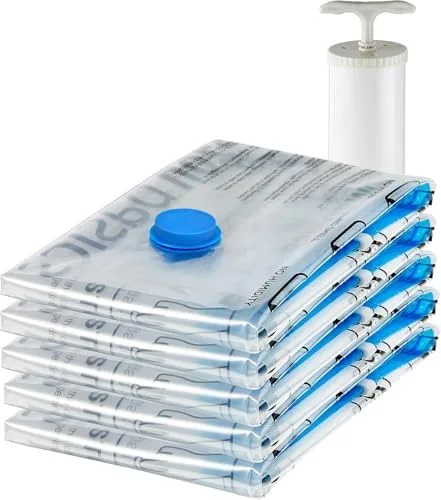
A shelf stacked with bulky knits holds as much trapped air as it does actual fabric, which is the real reason it fills up so fast. Vacuum compression bags pull that air out and flatten a whole stack down to a fraction of its starting height.
Load the bags with your off-season sweaters, seal them, and draw the air out with a vacuum hose or the included hand pump. What used to be a packed shelf turns into room for the rest of your closet to breathe.
Check price on Amazon →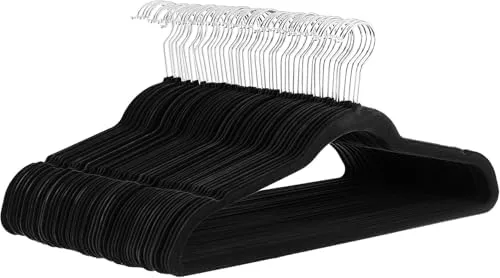
Swap Wire Hangers for a Slim Matching Set and Free Up a Third of the Rod
Best for: a rod so crowded that pulling one shirt free means wrestling the next three
Dry-cleaner wire hangers bend under any real weight and slide clothes right off the smoothest fabrics, which is half the reason shirts end up on the closet floor instead of the rod. A slim, uniform set grips better and takes up less width, fixing both problems in one swap.
Check the weight rating before loading up heavy coats or suits, since slim hangers vary in how much they can hold. Transfer clothes over a weekend, donating the old hangers as you go rather than stacking both sets in the closet. A third of the rod opens up without removing a single piece of clothing.
Check price on Amazon →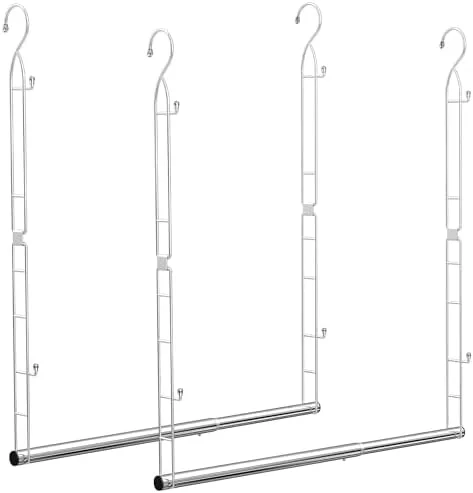
Stack a Second Rod Under the First and Double a Closet's Hanging Space
Best for: a closet with a foot of dead air above every shirt on the rod
A single closet rod leaves a foot of dead air sitting above every shirt, the kind of waste you only notice once you've stood there for the third time trying to wedge in one more hanger. A rod doubler clips onto the existing rod and adds a lower one at a height built for shirts and folded pants.
Measure the space between your existing rod and the shelf or floor below before buying, since shirts need real clearance and folded pants need less. Hook it onto the main rod and adjust the drop accordingly. Your closet's hanging capacity doubles, and that wedge-it-in-sideways problem stops happening.
Check price on Amazon →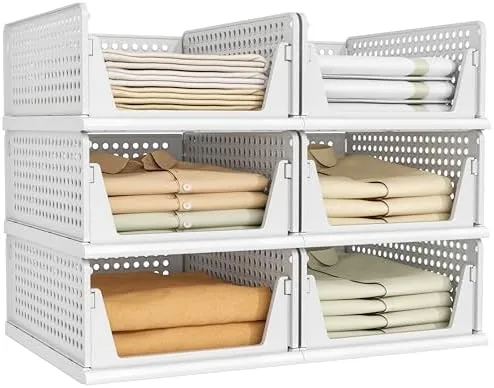
Fold T-Shirts Into a Stackable Bin So Nothing Wrestles Its Way Back Out
Best for: a shelf of folded shirts that collapses sideways the moment one gets pulled out
A stack of folded shirts on an open shelf holds together right up until someone grabs the one in the middle, and then the whole pile slumps. Perforated stackable bins hold each shirt upright in its own slot, standing instead of layered flat.
Fold shirts into thirds and slot them into the bin standing up, not stacked flat. The shelf stays in order no matter how many shirts you pull during the week.
Check price on Amazon →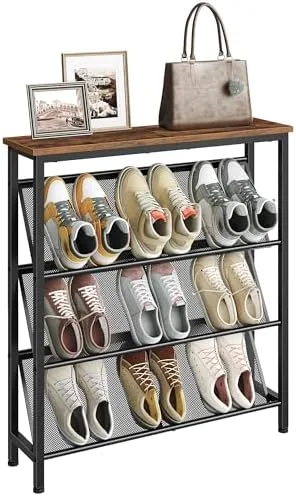
Slant Shoes Onto a Rack Built for the Job, Not a Pile by the Door
Best for: a growing pile of shoes kicked off by the door because there's nowhere else for them to go
Shoes kicked off at the door without a real spot to land pile up into a mound that gets stepped over on the way in and out. A tiered shelf unit gives every pair its own row, with a tabletop on top for keys or a bag.
Set it up right inside your entry and, if more than one pair ends up landing there, assign a row per person. The floor by the door clears out, and the shoe pile stops being the first thing your guests see.
Check price on Amazon →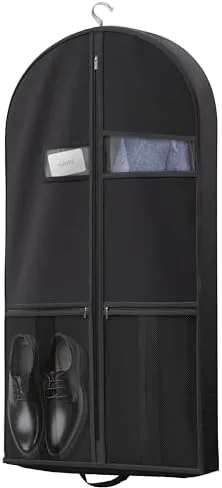
Zip Out-of-Season Coats Into a Garment Bag and Free Up Half the Rod
Best for: winter coats still hogging rod space in the middle of summer
Heavy coats stay on the main rod year-round in a lot of closets, even though half the year they're not going anywhere near the door. A zip-up garment bag groups several coats together and protects them from dust while they're not in rotation.
Group your coats by season, zip them into the bag, and hang the whole bundle on a back rod or in a spare closet. The main rod opens up for whatever you're reaching for this time of year.
Check price on Amazon →Kitchen Drawers and Cabinets Doing Too Many Jobs
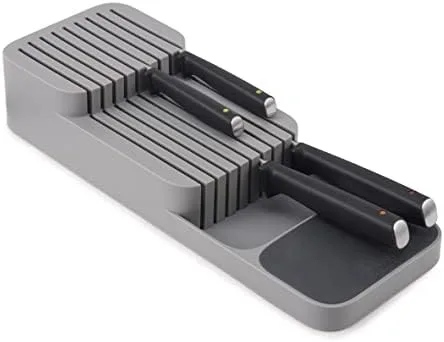
Slot Knives Into a Drawer Insert Built to Hold Them Apart, Not Stacked Loose
Best for: a drawer where reaching for a spoon means feeling around for a blade first
Knives tossed loose into a drawer with everything else turn every reach into a blind feel around sharp edges. A slotted in-drawer organizer holds each blade in its own channel, flat and separated from spoons, spatulas, and everything else sharing the drawer.
Measure your drawer's inside width and depth before ordering, since inserts come in fixed sizes and a too-wide one won't sit flush. Slide it in and load each knife blade-down into its slot. Your hand touches a handle every time now, never an edge.
Check price on Amazon →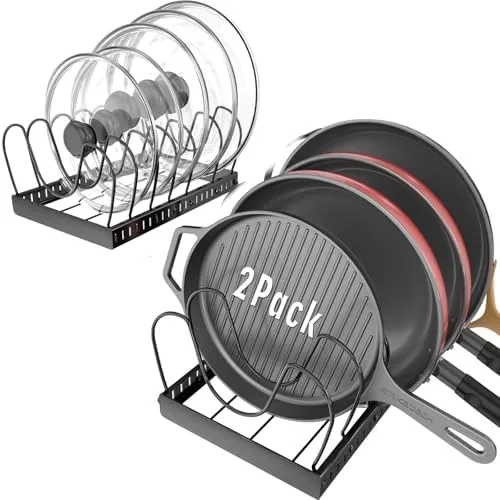
Rack Lids by Size and Stop Digging Through a Cabinet Pile for the Right One
Best for: a cabinet where lids slide into each other every time the door opens
A cabinet that holds both pots and their lids with no real system means the lids end up as the loose pile on top, ready to come crashing down the second anything underneath gets pulled, usually right as the pasta water's about to boil over. A rack with separate rows for pans and lids keeps the two from ever touching.
Slot your pans into the wider rows and lids into the narrower ones, largest at the back of each. Grabbing a pan no longer means three lids clattering down with it.
Check price on Amazon →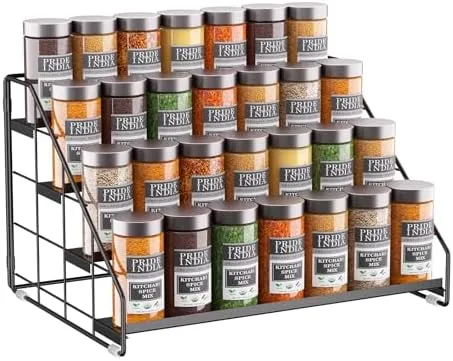
Give Spices a Tiered Shelf, Not a Shoebox Shoved in the Pantry
Best for: a pantry shelf where spice jars are stacked two deep and nothing in the back ever gets used
Spice jars crammed flat onto a regular shelf stack two or three deep, which means the ones in back disappear until a recipe forces you to dig them out. A tiered rack steps each row up and back, so every jar is visible from the front without moving the ones ahead of it.
Load the shortest, frequently-reached-for jars up front and taller ones toward the back row. Every label stays readable at a glance instead of buried behind the jar in front of it.
Check price on Amazon →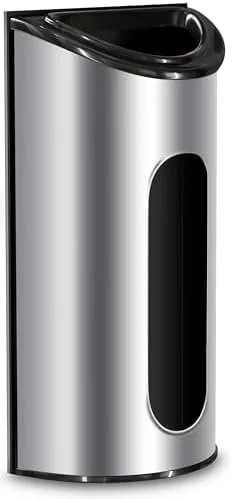
Feed Plastic Bags Through a Dispenser So a Stuffed Drawer Stops Fighting Back
Best for: a drawer that pops back open because it's crammed with loose grocery bags
A drawer stuffed with loose plastic bags expands until it won't fully close, and reaching in for one bag always drags two more out with it in a crinkling tangle. A countertop dispenser holds a stack of folded bags and releases one at a time through a slot in the top.
Fold new bags flat and load them through the opening as they come in from the store. The drawer that used to bulge and jam stays shut, and pulling one out takes one hand, not a full excavation on your part.
Check price on Amazon →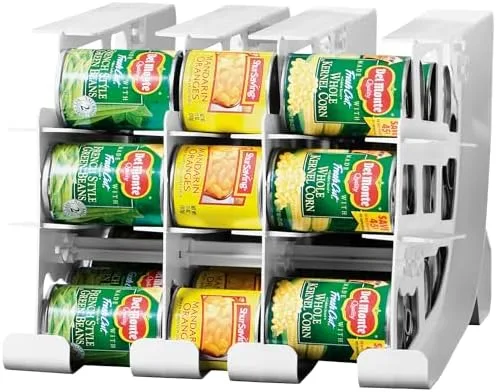
Load Cans Onto a Rack That Rolls the Next One Forward on Its Own
Best for: a cabinet where the can you need is always the one buried at the back
A deep cabinet shelf swallows cans whole, and whatever gets pushed to the back stays lost until a recipe forces a full archaeological dig to find it, usually mid-cook with the stove already on. A rolling rack built with a slight downward tilt moves cans forward on their own as the front row empties.
Load new cans in from the back and let the tilt handle the rest. You stop losing anything behind a wall of its own kind.
Check price on Amazon →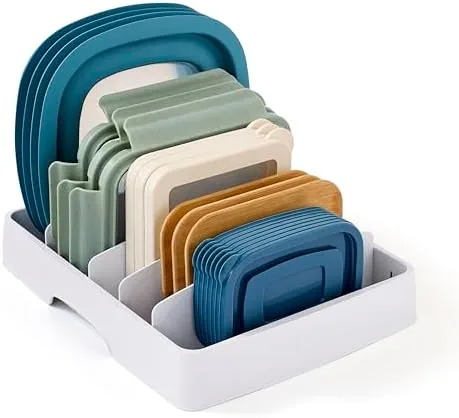
Gather Mismatched Lids Into One Bin, Not Scattered Across Three Cabinets
Best for: a cabinet where every lid belongs to a container that's living somewhere else entirely
Food storage lids that don't get a fixed home drift into whatever cabinet has room that week, so the hunt for a matching lid turns into checking three cabinets before the container's even found. A divided bin sorts lids by size into their own slots, standing up instead of stacked flat.
Sort every lid into the bin by size the next time you reorganize the cabinet, and keep the matching containers in the slot beside it. Matching a lid to its container stops being a scavenger hunt.
Check price on Amazon →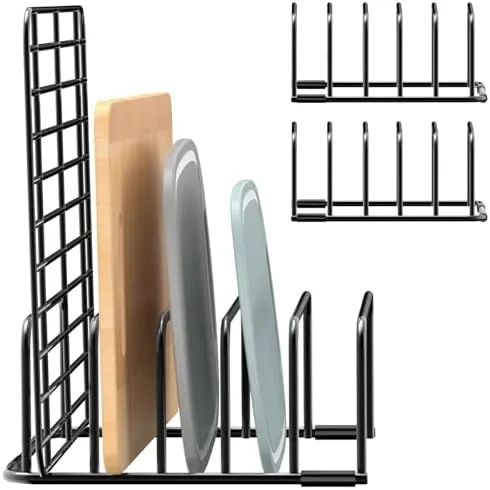
Pull Cutting Boards From a Vertical Rack Instead of an Awkward Stack
Best for: a cabinet where every board has to come out before you can reach the one on the bottom
Cutting boards stacked flat in a cabinet guarantee the one you want is the one on the bottom, under three others, every single time dinner's already running late. A vertical rack stands each board up in its own slot, side by side instead of layered on top of each other.
Slide boards in by size, largest at the back for stability. Grabbing the right board becomes a single pull, with nothing else to move first.
Check price on Amazon →Doors, Corners, and Space Nobody's Using
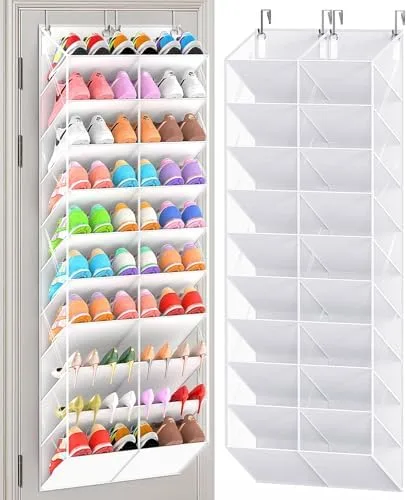
Hang a Shoe Pocket Organizer on the Back of a Closet Door
Best for: a closet floor covered in shoes because the shelf above them filled up months ago
A closet floor is often the default landing spot for shoes once the shelf above runs out of room, and from there the pile only grows. A pocketed organizer hung on the back of the closet door claims a wall of storage that was sitting completely empty.
Hang it over the door and slot pairs into the pockets by how often you wear them, easiest reach for your daily shoes. The floor clears out, and the door itself becomes the shoe storage.
Check price on Amazon →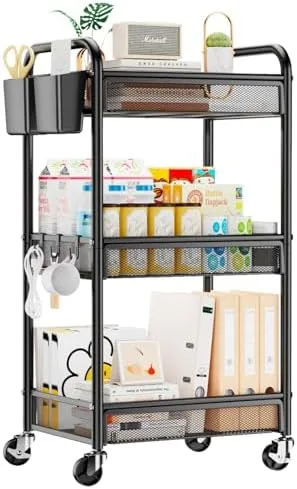
Wedge a Slim Rolling Cart Into the Gap Beside the Fridge
Best for: the sliver of space next to the fridge that's never held anything but dust
The gap beside a refrigerator is usually too narrow for a real cabinet but wide enough to fit a slim rolling cart, and plenty of kitchens leave it empty out of habit rather than necessity. A narrow multi-tier cart claims that strip and rolls out toward you whenever something on it needs reaching.
Measure the gap before buying to confirm the cart's width clears it, then load each tier with pantry overflow or cleaning supplies. A dead strip of floor turns into three extra shelves.
Check price on Amazon →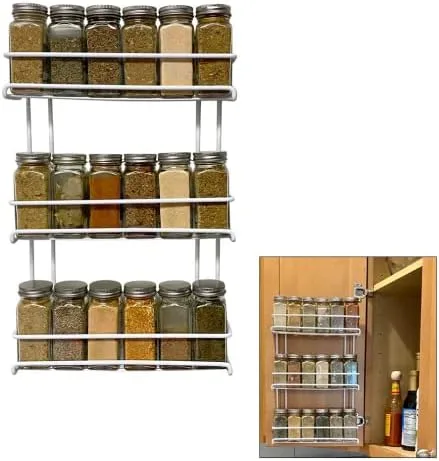
Mount a Spice Rack to the Inside of a Cabinet Door
Best for: spice jars eating up shelf space that could hold actual cookware
Spice jars lined up on a regular cabinet shelf hog the exact real estate a stack of mixing bowls could use, which is how a kitchen ends up with bowls stashed in some random lower cabinet instead. A rack mounted to the inside of the cabinet door uses a surface that's otherwise doing nothing at all.
Screw the rack to the door at a height that clears your shelves when it swings shut, then load jars in whatever order the recipes you cook most call for. The shelf behind it opens up for cookware, and the spices are still one door-swing away.
Check price on Amazon →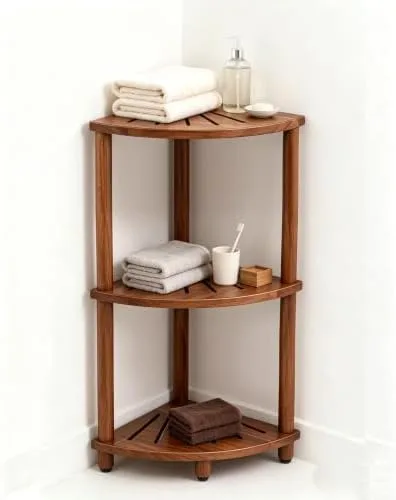
Fill the Corner Where Two Walls Meet With a Shelf Unit Built for It
Best for: the bathroom corner that's held nothing but shadow since the day you moved in
A corner where two walls meet sits there collecting nothing but dust bunnies for years, since standard furniture and shelving is built for flat walls, not angles. A tiered corner shelf is shaped specifically to fit that triangle of space, stacking three usable shelves into a spot that's been empty since move-in day.
Measure the corner's depth along both walls before buying, since corner units are sized for a specific angle and a too-large one will stick out past the walls. Set it into the corner and load it by weight, heaviest items on the bottom tier. A patch of dead space finally earns its keep without eating into the rest of your room.
Check price on Amazon →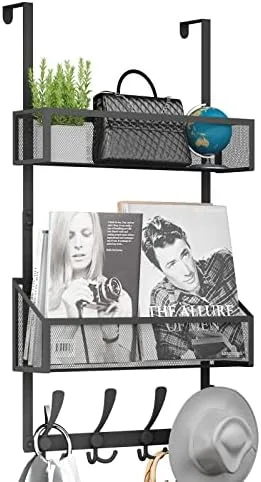
Hang a Caddy on the Pantry Door for Foil, Wrap, and Bags
Best for: a drawer where foil, wrap, and sandwich bags are all tangled into one roll of cardboard and plastic
Foil, plastic wrap, and bag boxes thrown into one drawer tangle together fast, since the boxes are different sizes and none of them stack cleanly. A pocketed caddy hung on the back of the pantry door gives each box its own slot at eye level instead of a shared drawer.
Hang it on the pantry door and load one box per pocket. The drawer that used to hold a tangled mess opens up for whatever you still need to lie flat.
Check price on Amazon →Paper, Mail, and the Stack That Never Shrinks
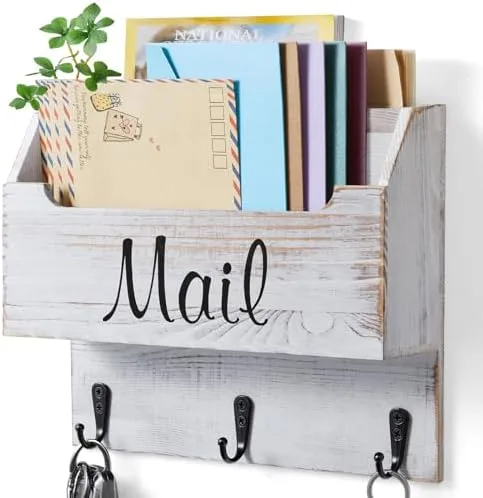
Catch Mail in a Wall-Mounted Slot Organizer the Moment It Arrives
Best for: a counter where the mail pile has its own permanent zip code
Mail set down on the counter the moment it comes through the door fossilizes right there, untouched until a bill's already a week overdue and someone's digging through a stack of catalogs to find it. A wall-mounted sorter with a slot for incoming mail gives it a landing spot that isn't a flat surface.
Mount it near whichever door you use to come in, and drop mail into the slot the second it's in hand. The counter stops being the default mail pile, and so does your overdue-bill scramble.
Check price on Amazon →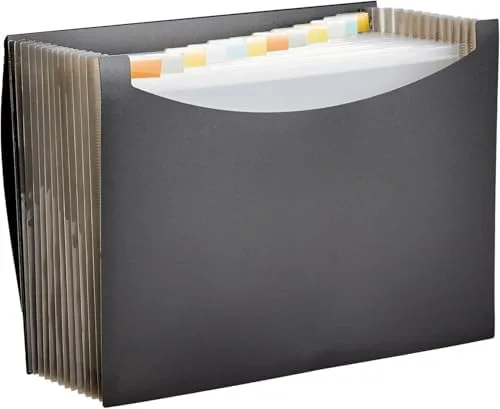
Move Important Documents Into a Portable File Box Before the Stack Grows Again
Best for: tax papers and insurance forms mixed into the same stack as junk mail
Important paperwork left in a general pile has to compete for space with flyers and junk mail, and finding the one document that matters means sorting through everything else first. An accordion file with labeled tabs gives each category of important paper its own section.
Sort once by category: insurance in one tab, tax in another, medical in a third. File new documents the same way as they arrive, and the pile that's been growing on your counter stops being where important paperwork lives.
Check price on Amazon →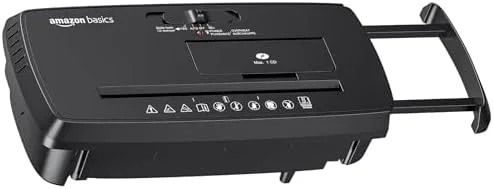
Run a Small Desktop Shredder Through What Doesn't Need to Be Kept
Best for: a stack of old statements too personal to toss in the recycling whole
Papers with account numbers or personal details can't just go straight into the recycling bin, so they end up sitting in a growing pile instead of getting dealt with at all. A compact shredder sized for a desk or counter handles a few sheets at a time without needing a dedicated office setup.
Run your outdated statements and old mail through it as part of a weekly paper sort. The pile of things too sensitive to toss stops being a reason to avoid dealing with paper at all.
Check price on Amazon →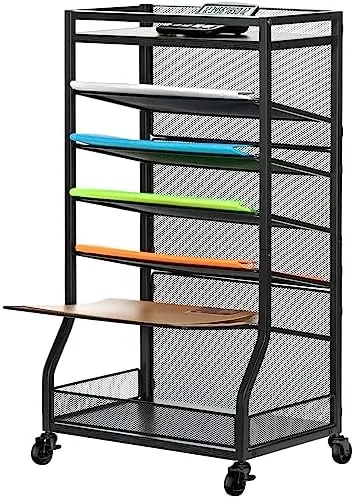
Give Kids' School Papers a Rotating File So the Fridge Door Finally Clears
Best for: a fridge door covered in three layers of magnets holding down last month's worksheets
School papers taped and magneted to the fridge door pile up in layers until nobody's reading any of them anymore, least of all the permission slip due tomorrow buried under a spelling test from March. A rolling cart with multiple sliding shelves gives each kid or each subject its own tier, out of the kitchen's main sightline but still easy to reach.
Assign a shelf per kid or per category and roll the cart wherever homework happens in your house. The fridge goes back to holding a calendar and maybe one photo, not an archive nobody's reading.
Check price on Amazon →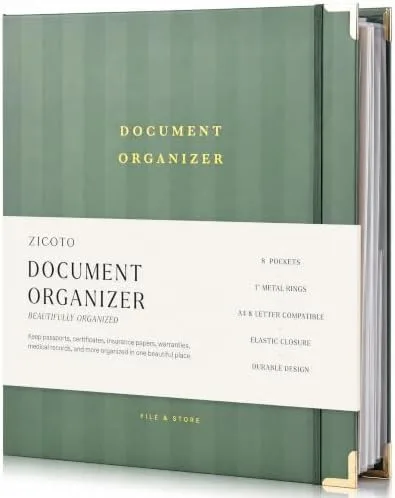
Keep Manuals and Warranties in a Labeled Binder, Out of the Junk Drawer for Good
Best for: a warranty card you know you kept somewhere, three moves ago
Appliance manuals and warranty cards tossed into a junk drawer for safekeeping are functionally gone the moment the dishwasher dies for real and you're standing there on hold, trying to remember if it's even still under warranty. A labeled binder with sleeves keeps every manual and warranty filed by appliance in one fixed spot.
File each manual and its receipt into a sleeve as new appliances come into the house. The next time something stops working, the warranty's one binder away instead of buried under batteries and rubber bands.
Check price on Amazon →Small Stuff That Clutters a Drawer or Counter
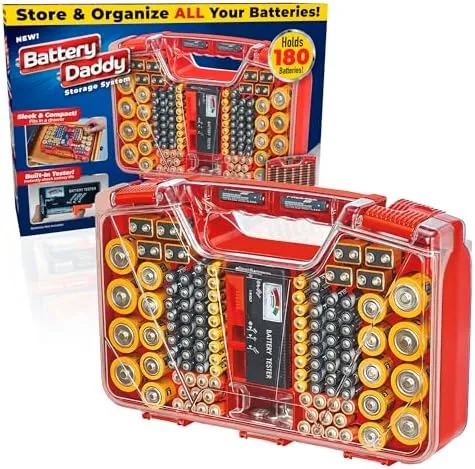
Size Batteries Into a Dedicated Case Rather Than a Loose Bag
Best for: a drawer where loose batteries roll around with no way to tell charged from dead
Batteries tossed loose into a drawer or a sandwich bag mix sizes and charge levels together, so finding two matching AAs with any life left means testing half the pile. A dedicated case sorts batteries by size into individual slots and often includes a built-in tester.
Load batteries by size as they come out of the package, and test questionable ones before they go back in. Your drawer stops being a battery graveyard and starts being a real supply.
Check price on Amazon →
Land Loose Chargers and Cables in One Countertop Caddy
Best for: a kitchen counter where every phone in the house charges in a different spot
Phones and tablets charging in whatever outlet is free turn the counter, the couch arm, and the nightstand into three separate cable graveyards, and finding your own charger at 7am becomes its own small scavenger hunt. A multi-device charging station holds several devices upright in their own slots, all plugged into one strip.
Set it up near the outlet the family already gathers around, and move every device's charging routine to that one spot. The counter stops hosting a different cable every night, and so does everywhere else.
Check price on Amazon →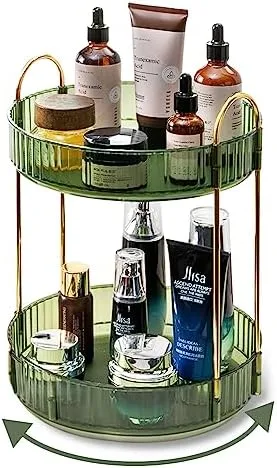
Spin Bathroom Small Items Into View on a Rotating Tray, Not Buried in a Drawer
Best for: a drawer where the one skincare product you need is always on the bottom
Small bottles and jars stacked in a bathroom drawer settle into layers, and the one on the bottom is somehow always the one you need five minutes before you're supposed to walk out the door. A two-tier rotating tray keeps every item visible on a lazy-susan base that spins the back row to the front.
Load taller bottles on the bottom tier and smaller items up top, then give it a spin to find what you need. Nothing stays hidden at the bottom of anything, and neither does the five minutes you'd have spent digging for it.
Check price on Amazon →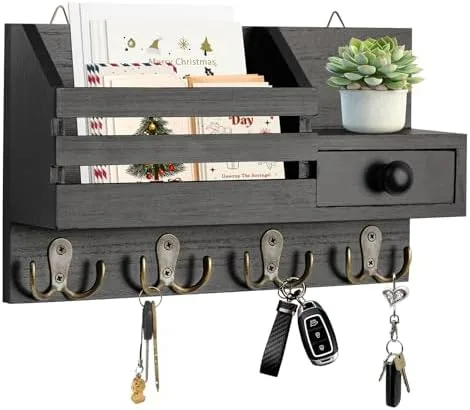
Give Keys and Mail a Wall-Mounted Catch-All So the Counter Stays Clear
Best for: a fifteen-minute search for keys that turns out to be a two-step walk away
Keys set down on whatever surface is nearest the door turn into a different hiding spot every single day, since nearest the door depends on what's in your hands at the time. A wall-mounted organizer with hooks and a mail slot gives both a fixed spot right by the entry.
Mount it at the height everyone in the house can reach, and make hanging keys the first motion after walking in. The morning hunt for keys stops happening at all.
Check price on Amazon →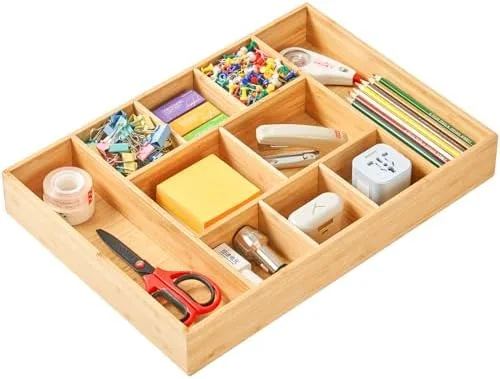
Split Junk Drawer Contents Into a Tray With Real Compartments
Best for: the drawer where tape, pens, and loose change have formed one permanent layer
A junk drawer with no real dividers collects everything in one shared layer, so a pen search drags up rubber bands, loose change, three dead batteries, and a takeout menu from a restaurant that closed two years ago. A compartmented tray splits that single layer into fixed sections sized for what goes in each one.
Sort your contents by type into the tray's sections, scissors in one, tape and clips in another. The drawer stays a junk drawer, just one that finally holds its own shape instead of one undifferentiated layer of everything.
Check price on Amazon →FAQ
What is the 3-3-3 rule for decluttering?
Pick three items to throw away, three to donate, and three to put back where they belong, all in one short session instead of one marathon purge. It works because three of each feels doable on a Tuesday night, which is exactly why it gets finished when a whole-room overhaul doesn't.What is the 20/20/20 rule for decluttering?
If you can replace an item for under 20 dollars in under 20 minutes, it's safe to let go of, even if there's a small chance you'll want it again someday. It's a permission-to-toss rule more than an organizing one, aimed at the stuff people hang onto out of guilt rather than actual need.In what order should I declutter my house?
Cords and cables first, since a cable sleeve or a cord box fixes the most visible mess in minutes. From there: closets, then kitchen drawers, then paper, then whatever small stuff is cluttering the counter. It's roughly the order this list follows, and each fix builds momentum for the next.What are 10 tips for decluttering my home quickly?
Cords and cables go fastest: a cable sleeve, a cord box, adhesive clips, a cable winder, and a cord cover channel all take minutes apiece and clear the most visible mess in a room. After that, a wall-mounted mail sorter, a shredder for old statements, a junk drawer tray, a charging caddy, and a battery case knock out the next five fastest wins.What should I remove first when decluttering?
Whatever's creating the most visible chaos in the room you're standing in right now, loose cords or a mail pile, not whatever's theoretically the biggest project somewhere else in the house. Tackling the eyesore first builds the motivation to keep going into the harder spots.What are 12 items I should throw away before moving?
Expired pantry items, old medications, dead batteries, single socks, chargers for devices you no longer own, duplicate kitchen tools, worn-out towels, broken hangers, expired coupons, old phone cases, takeout menus for closed restaurants, and anything still in its box from a gift two years ago. None of it's worth the box space or the unpacking time on the other end.What not to throw away when decluttering?
Anything with real resale value, important documents like birth certificates and titles, sentimental items you'd regret losing a month later, and tools or supplies you use less than monthly but would cost real money to replace. The goal is removing what's sitting unused, not emptying every drawer on principle.Which room should I declutter first?
Whichever one bothers you the most every single day, usually the kitchen or the entryway, since that's where the payoff gets noticed immediately. A guest room nobody uses can wait; the counter you see every morning can't.What are common decluttering mistakes?
Buying bins before sorting is the big one, since a matching bin set just moves an unsorted mess into a nicer container. Right behind it: trying to do the whole house in one weekend instead of one area at a time, and keeping things "just in case" without a real plan for when that case might come.Final Thoughts
None of these 33 tips require clearing out a whole weekend. Pick the one area bothering you most right now, whether that's the cord tangle, the closet rod, or the mail pile, and fix that single spot before moving to the next.