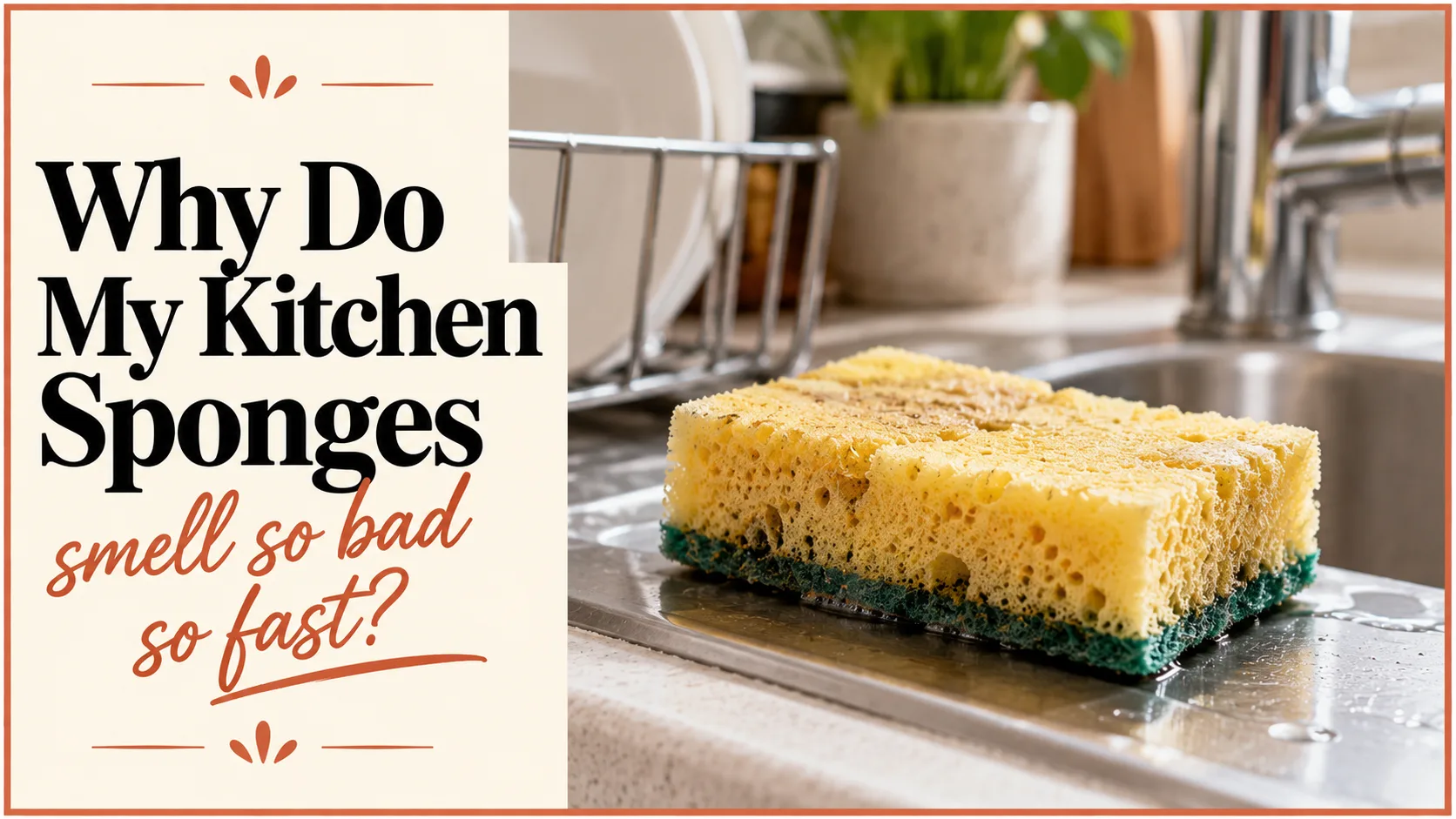
Why Do My Kitchen Sponges Smell So Bad So Fast?
A kitchen sponge can smell within a couple of days because of bacteria, not dirt. Here's why it happens fast, and why cleaning it can backfire.

Pin this list
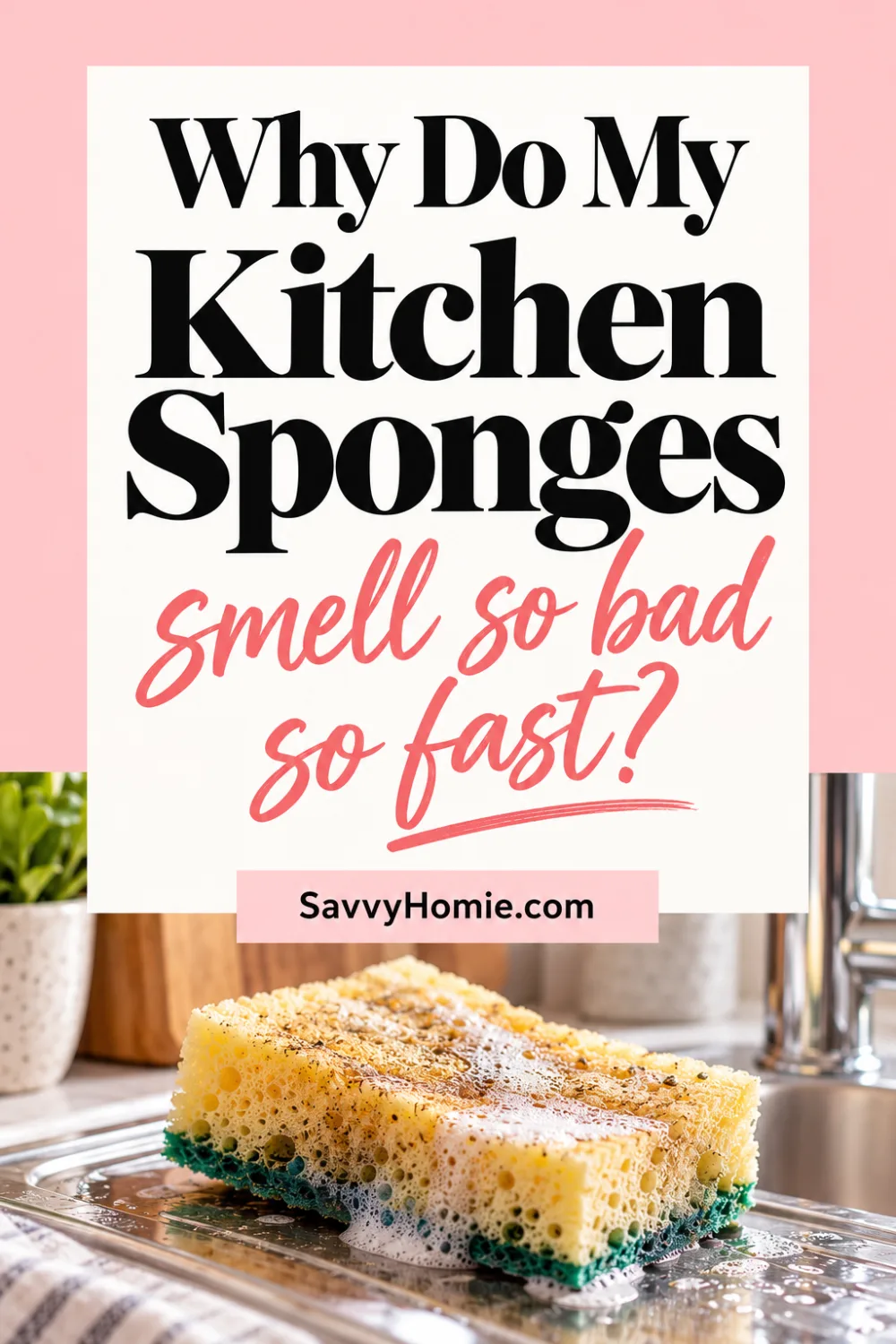
A brand new sponge smells like nothing. Give it three days of dishes and it smells like a wet towel left in a gym bag. That's not a slow buildup of dirt. That's bacteria, and they move faster than most people expect.
Here's what's producing that smell, why scrubbing and microwaving don't always fix it, and what the real research says works instead.
It's Bacteria, Not Dirt, and the Smell Is Literally Waste
The sour, musty smell coming off a sponge has a name behind it: Moraxella osloensis, a bacterium that shows up in nearly every used kitchen sponge tested. It's the same species linked to the classic "dirty laundry" smell on damp towels left in a hamper too long.
The smell itself is the bacteria's waste. They feed on the fat in food residue and soap scum, and what they excrete as they digest it is what hits the nose. That sponge sitting by the faucet isn't just dirty. It's actively digesting dinner right now, and the smell is proof the process is working.
- Moraxella thrives in warm, damp, low-light conditions, exactly what a sink-side sponge offers
- The smell can be detected by the human nose at extremely low concentrations, which is why it shows up fast even before the sponge looks dirty
- A sponge can go from odorless to noticeably sour in as little as two to three days of normal use
Pro tip: A sponge that smells different from the usual "sour dish sponge" note, like sulfur or rot, has likely trapped actual food waste rather than just bacteria. That's worth a full rinse-out, not just a sniff test.
Smell Isn't a Reliable Test Either Way
Here's the annoying part. A sponge that smells fine can still be loaded with the bacteria that make people sick, and a sponge that reeks might not be dangerous at all. The nose is a terrible judge of either one.
Lab testing has found sponges carrying food-poisoning bacteria like E. coli and salmonella with zero detectable odor or discoloration. The smell-producing bacteria and the truly dangerous ones aren't always the same species, so a sponge can look and smell completely normal while still being a real contamination risk after handling raw meat or eggs.
Going the other way, a sour smell on its own just means Moraxella has multiplied, which is unpleasant but not typically dangerous for a healthy adult. One microbiologist's guidance splits the difference: a bad smell means the bacterial count has gotten high enough that the sponge shouldn't touch countertops or pots anymore, even if the specific bacteria causing the smell aren't the ones that make people sick.
Does Dish Soap Make It Worse?
A real, if informal, debate exists over whether the type of dish soap affects how fast a sponge smells. One household's own side-by-side test is the clearest version of this: a sponge used with conventional dish soap smelled within days, while a sponge used with a plain castile soap the following week stayed odor-free.
The working theory is residue, not the soap's cleaning power. Some conventional dish soaps leave behind a film in the sponge's fibers, and that film becomes additional food for bacteria on top of whatever's left from the dishes themselves.
- This isn't confirmed by controlled research, only real household observation
- If it holds, the mechanism is simple: more residue means more food, and more food means faster bacterial growth
- Switching soap type is a free thing to test at home if a sponge seems to smell unusually fast
Sponge Material Matters
Most kitchen sponges are polyurethane foam, and that specific material is part of the problem. It's packed with tiny pores that create an enormous internal surface area, which is exactly what gives bacteria so much room to colonize and exactly what regular rinsing fails to reach.
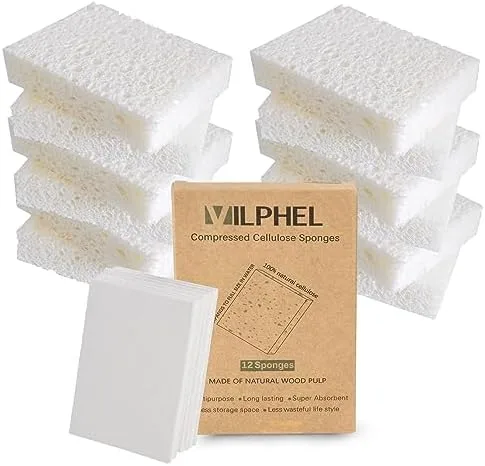
Natural sponges made from cellulose or plant fiber behave differently. They're more breathable and dry faster than synthetic foam, and bacteria need sustained moisture to keep multiplying. A sponge that dries out fully between uses, rather than staying damp at its core for hours, gives bacteria far less working time.
Silicone is the other real alternative, and it works on a completely different principle than either foam or cellulose. It has no pores at all, so there's nowhere for bacteria to hide and nothing to trap moisture against. Everything that happens on a silicone sponge happens on the surface, right where a rinse reaches it, instead of somewhere deep inside the material that water never fully touches.
That's also why it dries so fast it's almost suspicious the first time. Wring out a foam sponge and it's still damp an hour later. A silicone one is dry enough to put away within a few minutes, and dry is exactly the condition bacteria can't do much with.
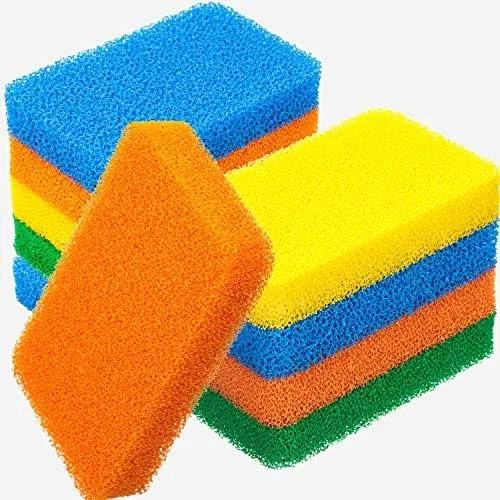
Pro tip: Silicone scrubs differently than foam: less absorbent, more abrasive. It takes some getting used to, but it never develops the sour smell a foam sponge does.
Why Cleaning It Can Make the Smell Worse
This is the part that surprises people. A 2017 study out of Furtwangen University identified every type of bacteria living in 14 real used kitchen sponges and found something that upends the usual advice: sponges their owners cleaned regularly (by microwave, boiling, or dishwasher) carried about as many bacteria as sponges that were never cleaned at all.
Worse, two of the most dominant bacteria types, including Moraxella, showed up in greater concentrations in the regularly sanitized sponges. Cleaning wasn't neutral. It was actively making the smell-causing population bigger.
- The study sequenced 362 different bacterial species across the sample
- Concentrations in some sponges reached levels the researchers compared to fecal samples
- Newly purchased, unused sponges showed no bacterial contamination at all, confirming the growth happens fast after first use, not gradually over months
Pro tip: This finding is specific to sponges that get cleaned and reused repeatedly over weeks. It isn't an argument against cleaning once. It's an argument against treating cleaning as a long-term substitute for replacing the sponge.
The Mechanism Behind the Backfire
Two separate things are happening, and both work against regular sanitizing.
The first is simple survival of the toughest. A sponge's bacterial community includes dozens of species, and they aren't all equally hardy. Heat and sanitizers wipe out the weak ones, but a handful of tough strains, Moraxella among them, shrug it off almost every time. With the competition gone, the survivors have the whole sponge to themselves, and they multiply faster than before. Researchers compared it to what antibiotics do in the gut: kill off the easy targets, and whatever's left takes over the empty space.
The second is a protective slime coat, what scientists call biofilm. Bacteria that survive a cleaning cycle don't just sit out in the open afterward. They wrap themselves in a sticky layer, often mixed with leftover food debris, that shields them from heat and drying out. That coating is part of why some bacteria can survive even a fully dry sponge and bounce right back the moment it gets wet again.
What a Sponge Should Never Touch
A sponge isn't the right tool for every mess, no matter how often it gets rinsed out afterward. Some things deserve a one-way trip to the trash can instead.
- Raw meat, poultry, or egg residue: wipe these with a paper towel first, then wash the surface, rather than going straight in with the sponge
- Anything involving illness: vomit and similar biohazard-level messes need disposable materials, not a reusable sponge
- Pet waste or litter box spills: these carry a different bacterial risk profile than food prep messes
One real figure puts the stakes in perspective: a single wipe with a contaminated sponge can transfer up to 100,000 live bacteria onto a countertop in one pass. That's not a reason to panic over every dish. It's a reason to keep high-risk messes away from the sponge in the first place.
One Sponge for Every Job Is the Real Mistake
The single biggest practical fix in the research isn't a cleaning method at all. It's using separate tools for separate jobs instead of asking one sponge to handle everything in the kitchen.
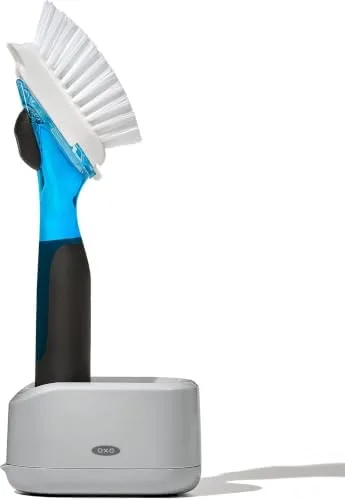
A dedicated dish brush with its own stand keeps the bristles upright and air-drying between uses, rather than sitting wet in a sink the way a sponge does.
A sponge that's past its prime for dishes still has a second life wiping counters or the stovetop, lower-risk jobs that don't need a fresh sponge. It doesn't have to go straight in the trash the moment it starts to smell.
Pro tip: Keep the demoted sponge in a visibly different color or shape from the active dish sponge. It's an easy mix-up otherwise, and the whole point is keeping the two jobs separate.
A sponge holder caddy that drains and keeps the sponge elevated off the sink basin matters more than people expect, since standing water at the bottom of a sponge is exactly what keeps it from drying out between uses.
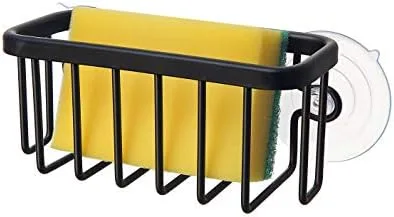
The 48 Kitchen Organization Ideas guide has more ways to keep the whole sink area, not just the sponge, from turning into a damp catch-all.
Sponges vs. Brushes vs. Cloths
Sponges lose this comparison every time. A brush or a cloth just doesn't give bacteria the same hiding spots.
| Tool | Why It Tends to Carry Less Bacteria |
|---|---|
| Dish brush | Solid handle, bristles dry fully, nothing to trap moisture internally |
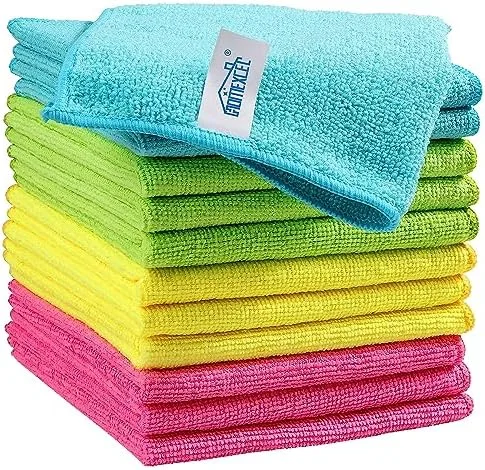
| Microfiber cloth | Flat profile dries fast, gets laundered regularly instead of just rinsed |
| Sponge | Porous foam traps moisture deep inside where rinsing can't reach |
Microfiber cloths carry a real practical advantage: they go through the wash with everything else instead of sitting at the sink indefinitely. That resets the bacterial load on a real schedule, something rinsing a sponge never does.
The Real Replacement Schedule
Forget the usual vague cleaning advice. The study's own authors put a real number on it: replace a kitchen sponge about once a week, because sanitizing wasn't found to meaningfully reduce the bacterial load over time.
- A household with young children, anyone immunocompromised, or someone currently sick benefits from replacing even more often than weekly
- A sponge that smells sour, feels slimy, or shows any discoloration has crossed the point where cleaning is worth attempting
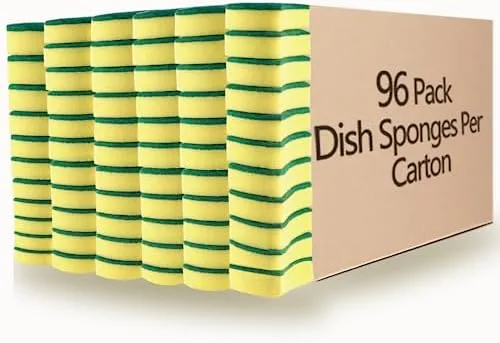
- Buying in bulk removes the friction that makes people stretch a single sponge for a month instead of a week
FAQ
How to stop kitchen sponges from smelling?
Rinse and wring the sponge out fully after every use, store it somewhere it dries fully between uses, and replace it weekly instead of relying on repeated sanitizing. The real research shows cleaning alone doesn't keep the smell away long term.How to prevent smelly sponges?
Keep one sponge for dishes and a separate tool for counters or heavier messes, dry it fully between uses, and swap it out on a short, regular schedule. Prevention matters more here than any single cleaning trick.When should you throw out a kitchen sponge?
About once a week under normal use, or sooner if it smells sour, feels slimy, or shows discoloration. The study behind this guidance found that sanitizing didn't meaningfully extend a sponge's real usable life.How often should you wash your kitchen sponge?
Rinsing after every use helps, but a full sanitizing pass works best as a short-term bridge, not a long-term substitute for replacing the sponge on a weekly basis.Which is more sanitary, sponge or dishcloth?
Dish brushes and microfiber cloths generally carry less bacteria than sponges, mainly because they dry faster and don't have the deep porous structure that traps moisture where rinsing can't reach.How to disinfect a kitchen sponge?
Microwave a fully wet sponge on high for one to two minutes, or run it through a full dishwasher cycle with the heated dry setting. Both methods kill a large share of bacteria, but research shows the toughest, smelliest species can survive and recolonize afterward.What causes dish sponges to smell?
Bacteria, most notably Moraxella osloensis, multiply in the sponge's damp, porous foam and feed on trapped food residue and soap film. The smell is a byproduct of their waste, not a sign of visible dirt.What kills bacteria in a sponge?
Heat is the most effective option: a fully wet sponge microwaved on high, boiling water, or a hot dishwasher cycle with heated dry. None of these sterilize a sponge completely, and the toughest bacteria tend to survive and bounce back within days.Final Thoughts
A sponge that smells fast isn't a sign anything was done wrong. It's bacteria doing exactly what bacteria do in a warm, wet, food-rich spot, and the research says scrubbing harder won't out-clean that cycle. A short replacement schedule beats a long one every time, no matter how many times that sponge gets microwaved in between.