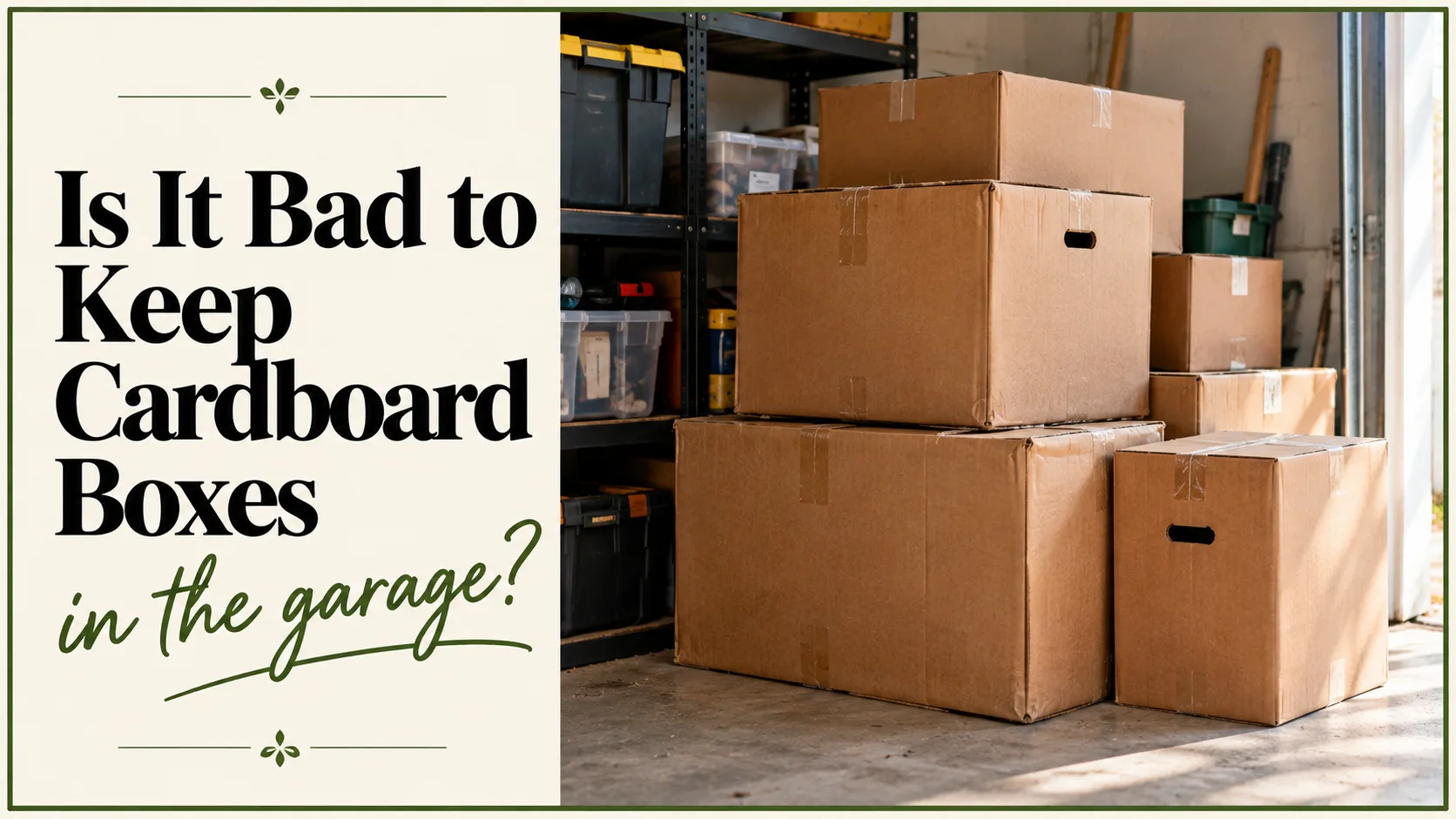
Is It Bad to Keep Cardboard Boxes in the Garage?
Cardboard boxes in the garage invite mold, pests, and structural failure over time. Here's what happens and when it's fine to just leave them.

Pin this list

Some people keep moving boxes in the garage for a decade with zero problems. Others open a sealed box after seven years and find the contents ruined. Both stories are true, and the difference comes down to moisture, pests, and how long the boxes sat there.
Here's what's happening to cardboard in a garage, what the real risk is, and when it's fine to just leave it be.
Moisture Turns Cardboard Into a Problem Fast
Cardboard has no real moisture barrier. It absorbs humidity the way a towel does, and a garage is exactly the kind of space that swings hot and cold and rarely gets real airflow.
Once cardboard takes on enough moisture, it starts to break down. The fibers weaken, the box loses its shape, and mold gets a foothold, sometimes visible, sometimes buried inside where nobody checks until the box gets moved. A damp garage floor or a single roof leak can turn a stack of dry boxes into a mold problem within weeks, not years.
Humidity, leaks, and clutter all feed this independently of each other, which is why a garage can have a mold problem even without an obvious source. A garage packed tight with boxes traps whatever moisture is already in the air against the cardboard itself, with nowhere for it to evaporate to. The same boxes spaced out with real airflow around them dry out between humid stretches instead of staying damp continuously.
- Cardboard that's gone soft or sagging has already absorbed more moisture than it can handle
- A musty smell coming from a stack of boxes means mold has already started, even without a visible spot
- Ground-level storage is the highest-risk spot, since flooding and rising damp hit the floor first
That's also the real reason to glove up before a real sort through boxes that have sat sealed for years. The Decluttering Checklist guide covers the gloves and dust mask worth having on hand before opening anything that's been closed up that long.
Pro tip: Press a finger into the side of a stored box. Any give or softness that wasn't there when it was packed is an early moisture sign, well before mold becomes visible.
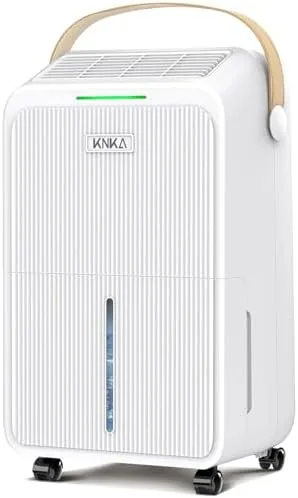
A dehumidifier is the one fix that helps everything in the garage at once, not just the boxes. Lowering the ambient humidity slows mold growth on cardboard, reduces the musty smell that builds up in an enclosed space, and makes the whole room less appealing to the moisture-loving pests covered next.
Cardboard Breaks Down on Its Own, Even Without Moisture
Moisture speeds things up, but cardboard has a shelf life even in dry conditions. The material itself starts to decompose within about five years of regular storage, and as it breaks down it can release small amounts of methane as part of that natural decay process.
That breakdown isn't dramatic. There's no sudden collapse, just a steady loss of strength. A box that held up fine the first two years can fail the moment it's lifted in year six, dumping its contents and taking anyone nearby by surprise.
Pro tip: Lift a long-stored box from the bottom, not by its top flaps or handles. Flaps and handles are the first part to weaken, and that's exactly where an old box tends to tear.
Three Kinds of Pests Treat Cardboard Differently
Cardboard doesn't just sit there waiting to get infested. It actively helps, in three separate ways, and each one needs a different fix.
Food
Cardboard is made of cellulose, and several common pests can digest it directly. Silverfish eat the paper, the glue, and anything cellulose-based packed alongside it. A female silverfish lays up to three eggs a day, so a small problem in a box can turn into a real infestation faster than most people expect.
A silverfish or pantry pest trap set near stored boxes catches the problem early, well before it spreads into whatever else is packed nearby.

Shelter
The corrugated layers inside a cardboard box make exactly the kind of tight, dark, protected space pests go looking for. Stack a few boxes together and the gaps between them add even more cover than a single open shelf of plastic bins ever would. Pest control professionals have a term for this: a "protected microenvironment." Deer mice don't need the term to find it. They build full nests inside stored boxes because the material is soft enough to shred and warm enough to hold heat, and once a nest takes hold, it tends to stay put through an entire season.
A Way In
Pests don't need to find their own way into the garage. Silverfish and other insects can already be living inside a box before it ever gets stored, hitching a ride in on packaging that came from somewhere else entirely.
Pro tip: A single soft, damp patch of cardboard near the garage floor is worth checking closely. Pill bugs are drawn to rotting cardboard specifically, and their presence can be an early sign of moisture or wood rot nearby, not just a cardboard problem.
The One Pest Worth Taking Seriously
Silverfish and roaches are gross, not dangerous. Deer mice are the one worth losing sleep over, and cardboard boxes happen to be exactly where they like to set up.
Deer mice can carry hantavirus, which spreads through contact with their droppings, urine, or nesting material, including airborne particles kicked up when a long-undisturbed box gets moved or opened. Health agencies specifically recommend never sweeping or vacuuming dry droppings for exactly this reason, since that's what sends particles into the air in the first place.
They're also a practical, separate problem for anyone who parks a car in the garage: a mouse that nests near a vehicle will chew on wiring, sometimes causing electrical damage that doesn't show up until something stops working weeks later.
A rodent repellent placed around stored boxes and shelving makes the whole area less appealing to nest in, without needing traps as the first move. It's a lower-effort starting point, worth trying before escalating to anything more aggressive.
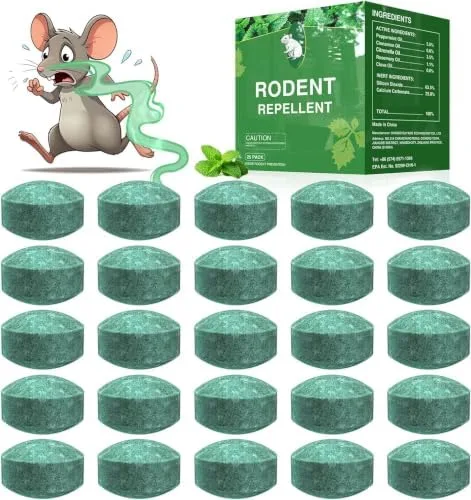
Pro tip: Open a long-stored box outdoors or with a window open if it hasn't been touched in over a year, and avoid sweeping up any droppings dry. The CDC specifically recommends wetting the area first to keep particles from becoming airborne.
Garages Add a Risk Houses Don't Have
A box stored in a closet isn't sitting a few feet from gasoline, motor oil, or a bag of fertilizer. A garage-stored box often is, and cardboard soaks up those fumes exactly the way it soaks up humidity.
That's a real problem for anything fabric or porous packed inside. Clothes and bedding hold onto a faint gas-station smell long after they're pulled back out, and it's not something a regular wash always fixes on the first try.
Food packaging does the same thing, and it's the one nobody thinks about until they open a box of cereal that's been sitting a foot from the lawnmower for a year. Nothing dangerous happened to it. It's just going to smell exactly like a garage, which is not a flavor anyone signed up for.
How Long Is Too Long?
There's no single safe number, but the real research points to a useful split: boxes tied to a move happening within the next few months carry very little risk. Boxes kept "just in case" for a move that's years away are a different story.
| Timeline | Real Risk Level | What Changes |
|---|---|---|
| Under 6 months | Low | Minimal time for moisture or pests to take hold |
| 6 months to 2 years | Moderate | Worth a real check-in and a look for softness or pest signs |
| Over 2 years | High | Cardboard itself is aging, pests have had time to settle in |
A sealed box that's been sitting for seven years molding through isn't rare. Multiple real accounts describe exactly that outcome, right alongside others who kept boxes a decade with no issues at all. The difference almost always comes down to how dry the space stayed and whether anything ever got checked in between.
Where the garage sits matters more than anyone gives it credit for. A dry climate can coast on luck for years, simply because there's not enough moisture around to start the whole cycle. Humid regions don't get that luck. The same exact storage habit, same boxes, same shelf, plays out completely differently depending on which one of those two a garage happens to sit in.
Pro tip: Set a six-month reminder to walk through stored boxes, even just a quick look and a press-test on a few sides. It takes minutes and catches a moisture problem long before it becomes a mold problem.
What Fixes This
None of the real risks above need a full garage overhaul to solve. Five changes handle almost all of it, each one addressing a different piece of the problem.
1. Swap the Boxes for Plastic Bins
This is the single biggest fix, since it removes the root cause instead of managing around it. A plastic bin doesn't absorb moisture the way cardboard does. It gives pests nothing to eat, and a snap-on lid keeps most insects out entirely. Everything else on this list is a refinement on top of this one switch, not a replacement for it.
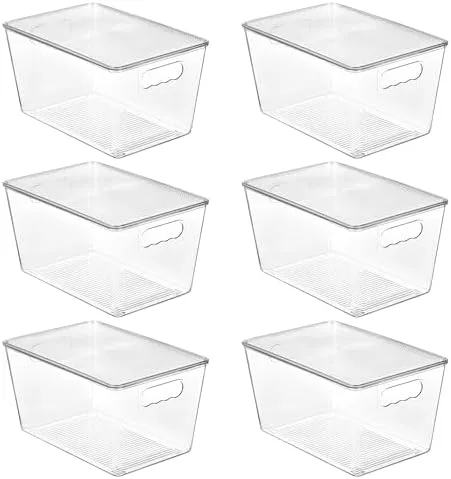
2. Get Everything Off the Floor
The container matters, but height matters almost as much. Ground-level storage sits closest to flooding, rising damp, and the exact spot rodents explore first when they're looking for a way in. A shelving rack solves this in one pass: it keeps bins elevated, keeps the garage floor clear, and makes the six-month check faster since nothing needs to be dug out from a pile.
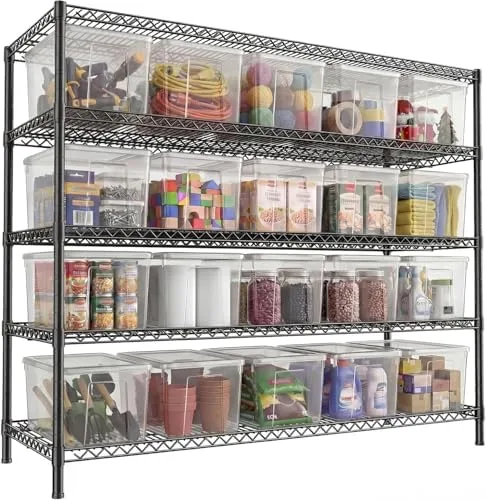
The 29 House Organization Tips guide has an overhead rack option too, for anyone who'd rather claim the ceiling space above the car instead of a wall-mounted shelf.
3. Handle Soft Items Separately
Plastic bins solve the box problem, but clothing, bedding, and anything fabric-based has an extra vulnerability: trapped air. Moisture and pests both need that air to survive inside a container. A vacuum sealer bag removes it entirely, something a plastic bin alone doesn't do, and it shrinks the item down to a fraction of its stored size in the process.
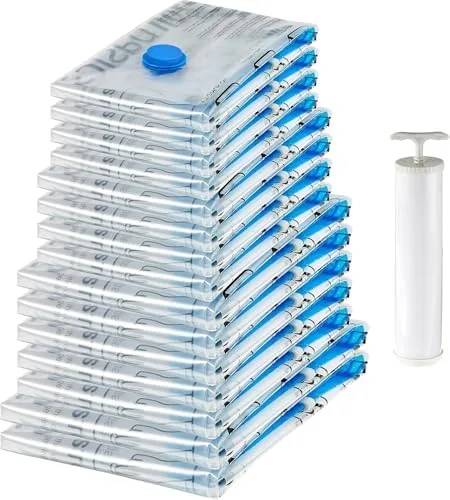
4. Add a Moisture Absorber Inside Each Container
Even a sealed plastic bin isn't airtight forever, and some humidity will always find its way in over months of storage. A moisture absorber packet handles that small, ongoing leak without needing a dehumidifier running for just one or two bins. Drop one in, check it every few months, and swap it out once it's spent.

5. Label Everything
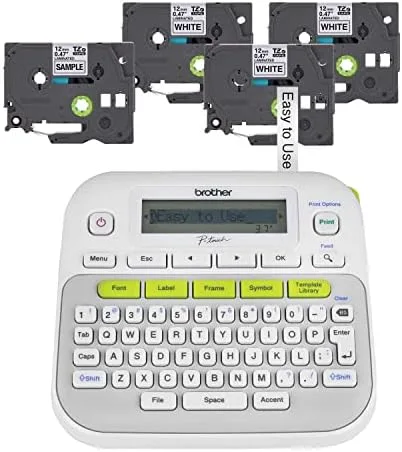
None of the first four fixes hold up long-term without this one. Knowing what's in each bin without opening it turns the six-month check from a chore nobody does into a thirty-second glance down the shelf. A label maker makes that labeling fast enough to keep up with, bin after bin.
FAQ
Is it safe to store cardboard boxes in a garage?
For a short period, yes. Risk climbs the longer boxes sit, especially in a humid or pest-prone garage. Dry conditions, elevation off the floor, and a check-in every few months keep the real risk low.What is the best way to store boxes in my garage?
Switch to sealed plastic bins where possible, keep everything off the floor on a shelf, and avoid letting boxes sit against an exterior wall where temperature and humidity swing the most. A dehumidifier helps the whole space, not just one container.Do cockroaches lay eggs in cardboard boxes?
Yes. The corrugated layers give roaches a dark, protected spot to lay eggs, and the cellulose in the cardboard itself can serve as a food source. Boxes that sit undisturbed for long stretches are exactly the environment they look for.How many years does it take for cardboard to decompose?
Under normal storage conditions, cardboard can start breaking down within about five years, faster with any real moisture exposure. That breakdown is gradual, not sudden, which is why an old box can look fine right up until it tears.Is it bad to keep cardboard boxes in the house?
The same risks apply, just at a lower level, since most homes stay drier and more temperature-stable than a garage. A damp basement or an uninsulated attic carries nearly the same risk as a garage would.What are 7 things I should never store in a garage?
Paint and chemicals, propane tanks, important documents and photos, wood furniture, electronics, pet food, and anything in plain cardboard long-term all carry real risk in a typical garage, each for a different reason: temperature sensitivity, safety, humidity damage, warping, pests, or all of the above at once.What items should not be stored in a garage?
Anything sensitive to temperature swings or humidity: photographs, important documents, wood instruments, electronics, and most things packed in plain cardboard for the long haul. A garage's daily temperature range is wider than most people realize.Final Thoughts
Cardboard in the garage won't ruin anything overnight, but it's not doing anyone any favors either. Moisture, pests, and the material's own slow breakdown are all quietly working against it the longer it sits untouched in a corner. A plastic bin, a shelf off the floor, and a quick look every few months closes almost all of that gap, and none of it takes more than an afternoon.