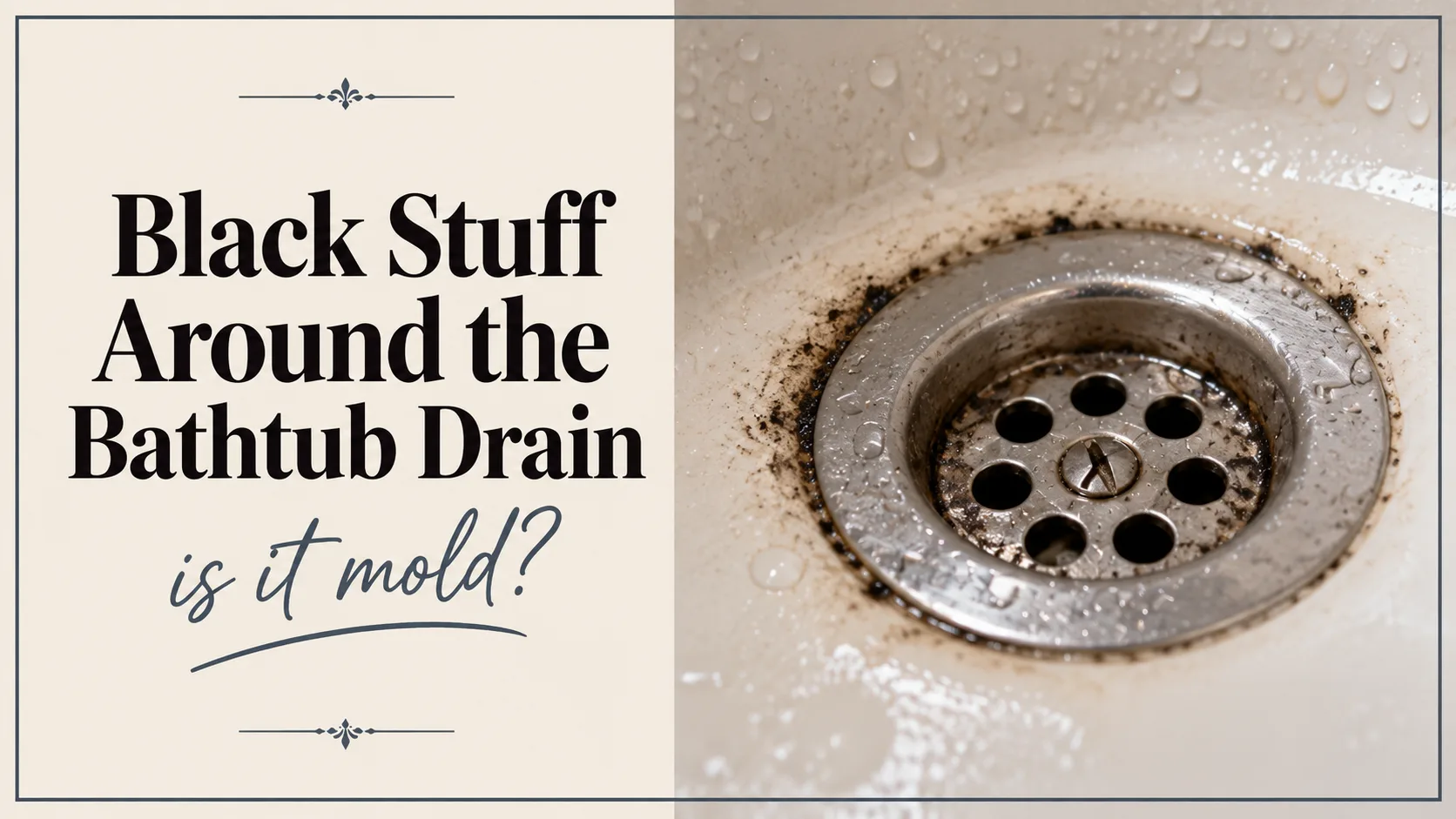
Black Stuff Around the Bathtub Drain, Is It Mold?
Black buildup around a bathtub drain could be biofilm, mineral staining, mold, or worn rubber plumbing parts. A simple smear test tells you which one it is.

Pin this list

There's a dark ring around the tub drain, and the first instinct is to poke it. Slimy. Or maybe it's gritty, the kind that laughs at a sponge no matter how hard the scrub. Either way, "mold" is the word that shows up first, before anyone's checked a single thing.
That quick poke matters more than it seems like it should. The texture under a finger says more than the color ever will, and it's the fastest way to know what's going on down there before reaching for a cleaner that won't touch it.
The Texture Test: Slimy, Gritty, Fuzzy, or Greasy
Four different things cause black buildup at a drain, and none of them need a lab to sort out. A finger does the job just fine.
| Texture | Likely Cause | Where It Shows Up |
|---|---|---|
| Slimy, sticky | Biofilm | Inside the drain opening, under the strainer |
| Hard, gritty | Mineral staining | On the drain plate and tub surface itself |
| Fuzzy, dark, patchy | Mold | Under the drain cover, inside the overflow tube |
| Greasy, smears like soft rubber | Worn plumbing parts | Mainly with hot water use, on the drain plate |
Slimy under a wet finger means biofilm, a mix of bacteria and organic debris that's happy to sit wherever moisture does. Gritty, the kind that doesn't lift no matter how hard the wipe, means mineral deposits instead, dissolved iron or manganese that leaves a residue behind as it dries.
Fuzzy, patchy, distinctly dark: that's mold, and it's often hiding somewhere the finger never checks, like the underside of the drain cover. The same wipe-and-wait logic works on a suspicious line of caulk too. The Is This Mold or Just Dirt in Your Bathroom Caulk? guide covers that version of the question in full.
The surprise one is a mark that smears like grease or soft rubber under a paper towel instead of wiping clean or staying gritty. That's not biology at all. That's worn rubber parts in the plumbing itself.
Pro tip: Wipe a fresh mark with a dry paper towel right away. A smear that looks greasy or rubbery, not fuzzy and not gritty, is the clearest sign this isn't mold at all.
Biofilm From Hair, Soap Scum, and Skin Cells
Biofilm wins most of the time, and it's exactly as unglamorous as it sounds. It's a living layer of bacteria throwing a party wherever moisture and organic matter sit still long enough. Hair, dead skin, soap scum, a warm damp drain is basically a welcome mat.
Nothing about it is exotic. The bacteria involved, often common strains like Pseudomonas, are the same kind living in ordinary soil and untreated water. The dark color is just the bacteria themselves mixed with whatever they've been breaking down.
For most households this stays a cleaning annoyance, not a health scare. It's worth taking more seriously in a bathroom used by young children, anyone immunocompromised, or anyone with an open cut. Their skin doesn't get the same benefit of the doubt a healthy adult's does.
- It forms fastest in a drain that's slow to empty, since standing water gives it more time to build
- Trapped hair makes it worse, both by itself and by catching more debris around it
- It returns within days of a surface clean if the food source and moisture are still there
A tub drain hair catcher cuts off a real chunk of the food supply before it ever reaches the drain, and trapped hair is exactly what biofilm's been feasting on down there.
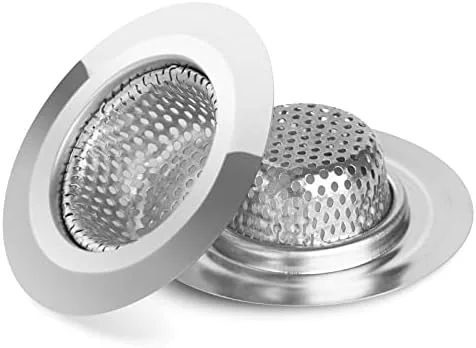
Pro tip: A slow-draining tub is worth treating as a cause, not just an annoyance. The slower the water moves, the longer biofilm gets to feed on whatever's sitting in it.
Mineral Staining From Iron, Manganese, or Corroding Pipes
A gritty black or brownish-black stain that laughs off a normal wipe isn't alive at all. It's mineral. Iron and manganese dissolved in the water leave a residue behind as it dries, and that residue hardens into exactly the stubborn crust a soft cloth can't touch.
Old or corroding pipes make it worse. Corrosion sheds tiny particles that ride along with the water and settle wherever it finally dries, most often right at the drain, the last stop before everything goes down.
- A gritty texture that doesn't respond to soap and water is the main tell
- Color leans brown or rust-toned rather than true black, since it comes from oxidized iron rather than organic matter
- The stain tends to track with how hard the water is, not with how clean the tub gets kept
Pro tip: If the stain is only ever at the drain and never anywhere else in the tub, mineral staining from the water itself is more likely than general hard water buildup across the whole surface.
A regular tub cleaner stands no chance here. It's built for soap and grime, not minerals. A cleaner formulated specifically for hard water or rust clears it in one pass where a standard spray leaves the stain exactly as gritty as it found it.
If the same gritty staining keeps turning up on faucets and fixtures beyond the tub, a whole-house water softener is the only fix that reaches the real source instead of chasing the symptom around the bathroom.
Worn Rubber Parts Can Shed Black Particles Too
This is the one nobody blames, because scrubbing harder has never once fixed it. Hoses, washers, gaskets, and stopper seals inside the plumbing are often rubber, and rubber ages the exact same way it does in a junk drawer, going soft and crumbly after enough years of heat.
Hot water carries the dark flakes it sheds straight down to the lowest point in the tub. That's the drain.
- A mark that only shows up after a hot shower or bath, not a cold one, points toward this rather than mold or minerals
- It smears like soft rubber or grease under a paper towel instead of wiping away clean or staying gritty
- It tends to reappear quickly after cleaning, since the part shedding it is still there and still degrading
Here's the easy way to confirm it: run the hot and the cold separately for a few minutes each. A mark that only ever shows up with hot water is pointing straight at a worn part in the hot-side plumbing, not anything growing in the tub itself.
Pro tip: This one isn't a DIY cleaning fix. The part shedding the debris needs to be identified and replaced, and that means calling a plumber in most cases. It could be anywhere between the water heater and the tub spout.
Jetted Tub Jets Are a Different Problem Entirely
A jetted tub plays by its own rules, and the drain isn't even involved. Every time the jets run, small amounts of skin oil, soap, and debris get pulled into the jet lines along with the water, and all of it just sits in there between uses, somewhere no sponge has ever once reached.
That explains the black sludge that sometimes sprays out the second the jets kick on, in a tub that was scrubbed spotless an hour ago. Scrubbing the visible surface was never going to touch it. The mess is living inside the lines themselves.
- Fill the tub with hot water a few inches above the jets
- Run the jets for 10 to 20 minutes with a cleaner made for jetted systems
- Drain, then refill with plain water and run the jets again to flush out any residue left behind
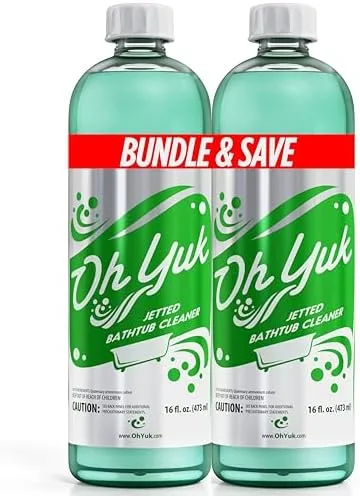
Pro tip: Run a jet cleaning cycle every month or two if the tub gets regular use. The buildup inside the lines compounds the same way a dirty drain does, just completely out of sight.
Skip the bleach if the tub's on a septic system. It kills the same bacteria the system needs to break down waste. A jetted tub cleaner built for the job sidesteps that entirely, and it matters more here than with a regular drain cleaner, since a full jet cycle pushes several gallons of cleaning solution straight into the plumbing at once.
When It's a Musty Smell With No Visible Stain
Sometimes there's nothing to look at. No ring, no stain, just a musty smell that refuses to quit no matter how many times the drain gets wiped down. That's mold, and it's growing somewhere the texture test never checks: under the drain cover, or inside the overflow tube near the faucet.
Mold doesn't wait to be seen before it gets to work. Both spots stay dark, damp, and completely undisturbed between cleanings, which is exactly what mold wants. Lean in close. A smell that's clearly stronger right at the drain or overflow opening than anywhere else in the tub is coming from inside, not drifting in from somewhere else in the room.
Nobody thinks about the overflow tube, ever. It isn't part of any normal cleaning routine, sitting a few inches behind the faceplate near the faucet, quietly collecting the same hair and soap residue the drain does, just completely out of sight.
If the smell won't trace back to the drain opening, that's where to look next, before blaming the rest of the bathroom.
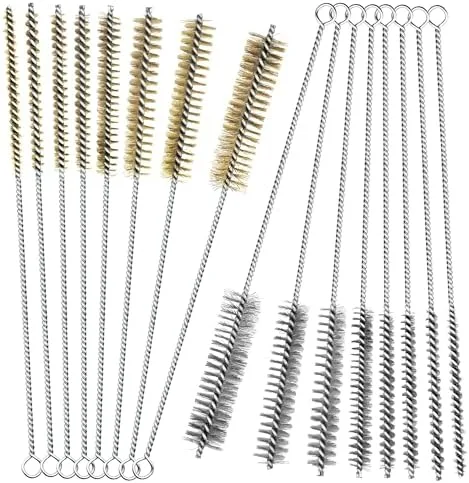
An overflow tube cleaning brush reaches into that narrow opening in a way nothing else in a standard cleaning kit does.
A Sulfur Smell Means Something Else Entirely
A sulfur or sewer-gas smell isn't on this list at all, and it's not subtle once it shows up. It means the P-trap, the curved pipe under the drain that holds water specifically to block sewer gas, has dried out and lost its seal. The Why Does My Bathroom Smell Musty Even After Cleaning? guide walks through how to tell a dry P-trap apart from everything else on this page and fix it.
Pro tip: Run water down a rarely used tub drain for about 30 seconds once a month. It refills the trap and takes care of the sulfur-smell problem before it starts.
Cleaning the Drain vs. Cleaning the Overflow Tube
The drain and the overflow tube aren't close to the same job. One's wide open and easy. The other is narrow, tucked away, and takes a different tool entirely.
For the drain itself:
- Pull the strainer and clean underneath it directly, not just around it
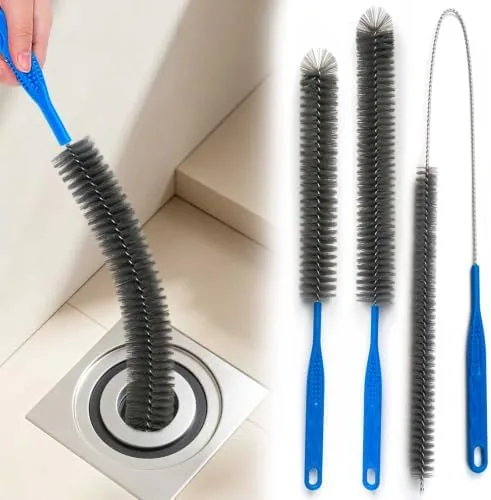
- A drain cleaning brush with a flexible neck reaches past the visible opening into the top section of pipe
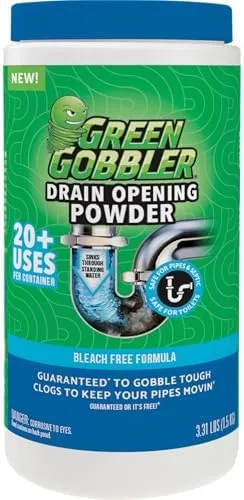
- A drain opening powder clears buildup further down than a brush can reach, for a drain that's slow as well as discolored
A drain cleaning brush handles the visible stain and the stretch of pipe right past the opening, exactly where biofilm likes to set up camp.
A brush can only go so far. If the drain's slow on top of being discolored, the real buildup is sitting further down than any brush will ever follow.
A drain opening powder dissolves straight through that deeper section instead of relying on bristles to scrape it loose, and that's the difference between a drain that merely looks better and one that drains at a normal speed again.
For buildup further down the pipe: A standard declogger is all brute force, pressure or chemical reaction shoving a clog out of the way without ever touching what caused it. An enzyme drain cleaner plays a longer game.
It sends in live enzymes to break down the hair, skin cells, and soap film biofilm was built from in the first place, so the mess gets eaten instead of just pushed further down the pipe. That's the better pick for a drain that's slow and smelly but not truly blocked. There's no hard clog here to force through to begin with.

Pro tip: Never mix an enzyme cleaner with bleach in the same cleaning pass. Bleach kills the same bacteria an enzyme cleaner relies on to work, so running both back to back cancels out the enzyme treatment entirely.
FAQ
What is the black stuff in my bathtub drain?
Most often it's biofilm, a sticky buildup of bacteria feeding on hair, soap scum, and skin cells. It can also be mineral staining from iron or manganese in the water, mold growing under the drain cover, or worn rubber plumbing parts shedding particles under hot water.Is it safe to touch black mold in a sink or tub drain?
For most healthy adults, brief contact is a hygiene issue rather than a real danger. Gloves are worth using regardless, and it's worth being more careful around it in a household with young children, anyone immunocompromised, or anyone with an open cut.Is bathtub mold toxic?
Common bathroom mold and mildew aren't typically the toxic black mold associated with serious health warnings, but they can still trigger allergy-like symptoms in sensitive people with heavy, prolonged exposure. Treating it promptly matters more than worrying about which exact species it is.How do you get rid of black mold in a drain?
Pull the drain strainer and clean underneath it directly, then treat the stain with a cleaner suited to the real cause. Slimy buildup needs an enzyme or antibacterial cleaner, while gritty mineral staining needs a mineral-specific remover. Check the overflow tube too, since mold often grows there out of sight.Will black mold come back after I clean it?
Yes, if the moisture and food source that fed it in the first place are still there. Cleaning removes what's visible, but mold returns within days unless the drain dries out fully between uses and gets cleaned on a regular schedule, not just when it's noticeably dirty again.What kills black mold permanently?
Nothing does, as long as moisture keeps coming back, since mold only needs dampness and organic residue to restart. The closest to permanent is pairing a real cleaning with the habits that keep the drain dry and trap less hair and soap scum in the first place.What's a good drain cleaner for mold?
An enzyme-based cleaner breaks down the organic matter feeding the mold instead of just bleaching the color out of it, which matters more for a drain that's slow and smelly than one that's just visibly stained. A flexible drain brush handles the section just past the opening that a spray alone can't reach.Is bleach or vinegar better for killing mold?
Bleach kills surface mold quickly but doesn't reach growth below the surface and can degrade rubber seals and gaskets over time. Vinegar is gentler on plumbing parts and works well as regular maintenance, but it's slower and less effective against an established, heavy patch.Can I leave vinegar on mold overnight?
It's not necessary and isn't recommended on every surface. A contact time of about an hour is enough for vinegar to work in most cases, and leaving it far longer than that mostly just lets it evaporate without adding real extra cleaning power.What should never be sprayed directly on mold?
Never mix bleach with an enzyme cleaner, ammonia, or vinegar in the same cleaning pass. Bleach kills the same bacteria an enzyme cleaner needs to work, and combining bleach with ammonia or an acidic cleaner like vinegar produces a toxic gas.Final Thoughts
That dark ring is rarely just one thing, and the color was never going to tell the real story. A finger does. Slimy means biofilm, gritty means minerals, fuzzy means mold hiding somewhere the eye doesn't catch on the first pass, and a greasy smear that only shows up with hot water means the plumbing, not the tub, has some explaining to do.
Once the drain's sorted, the 27 Amazon Bathroom Finds guide has the storage and organization picks worth adding to the rest of the room.