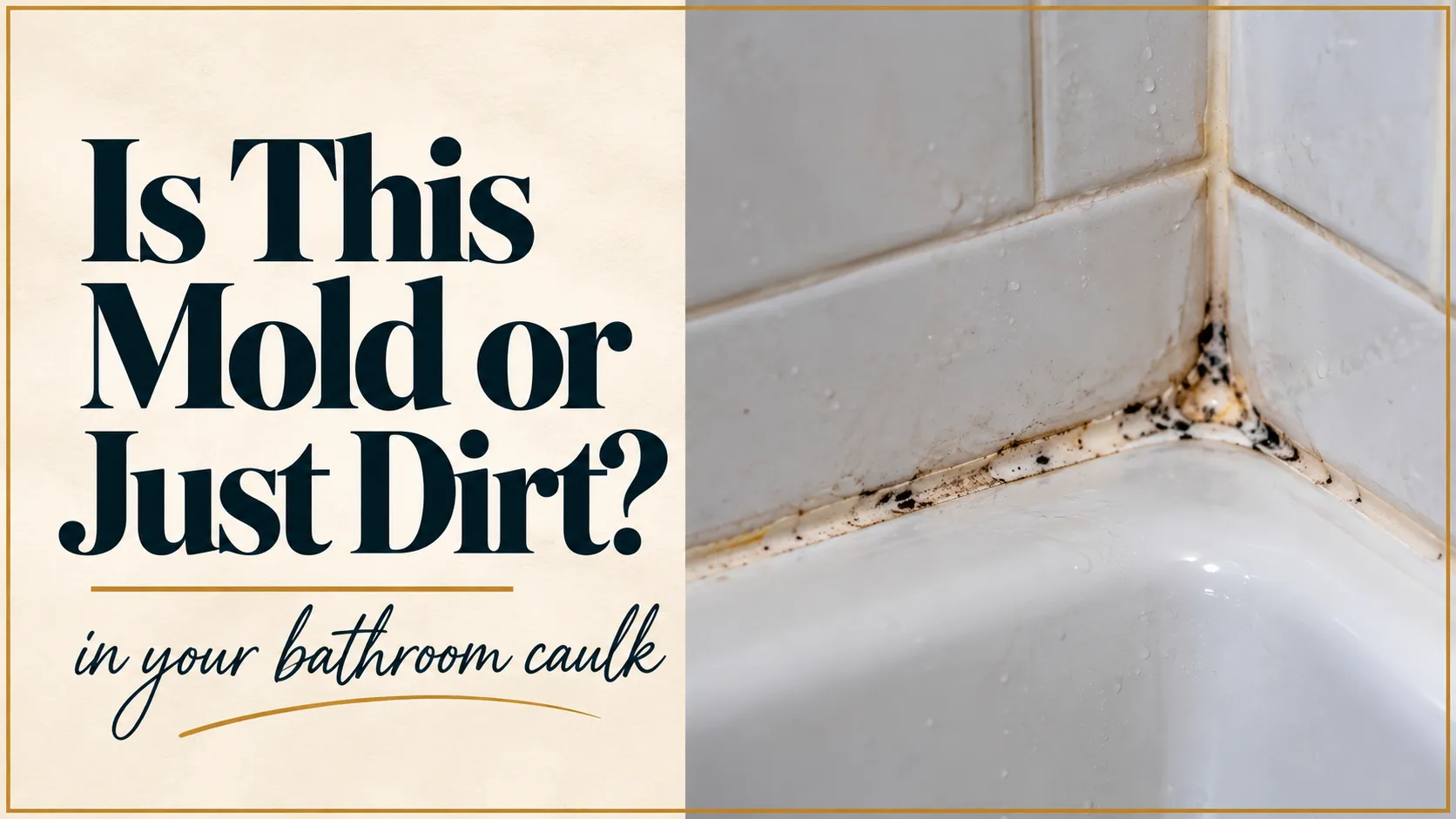
Is This Mold or Just Dirt in Your Bathroom Caulk?
A dark line on bathroom caulk could be dirt, soap scum, hard water, or mold. The wipe, smell, and bleach tests that tell you which one you're looking at.

Pin this list
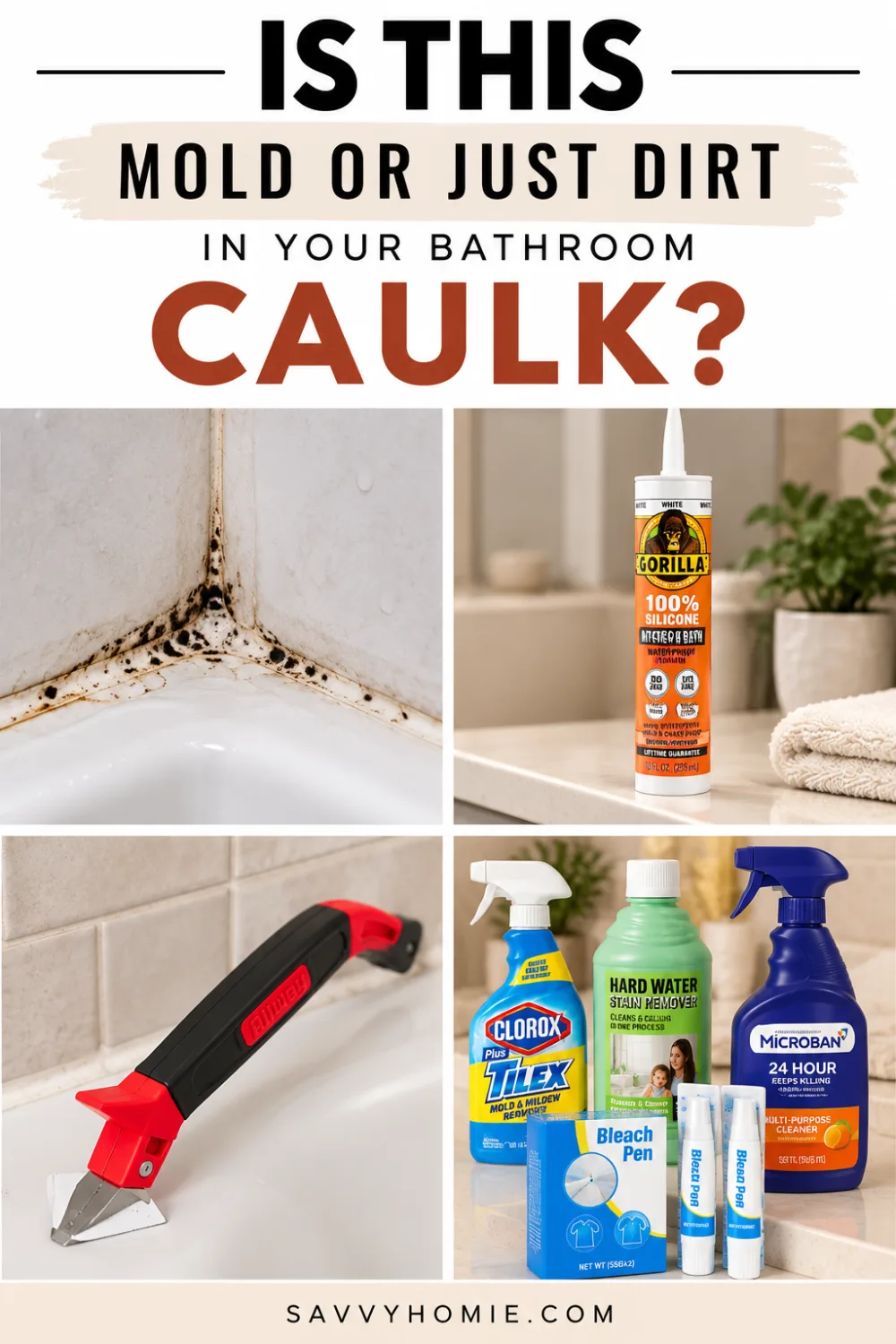
You catch a dark line on the shower caulk out of the corner of your eye and your stomach drops a little, because "mold" is the first word that shows up. Half the time it's just dirt or soap scum that's been sitting there since who knows when. The other half, it's the real thing, quietly working behind the caulk while the surface still looks fine enough to ignore.
Caulk is the worst surface in the whole bathroom to try to read by eye. It's slightly porous, it flexes with the house, and it sits exactly where water collects and lingers longest, so it ends up catching every kind of staining a bathroom can throw at it. Here's what to look for first, and the quick tests to confirm it if squinting at the color isn't cutting it.
What to Look For First
| What You See | What It Is | Texture & Color | Where It Shows Up |
|---|---|---|---|
| Flat, even color, wipes off easily | Dirt | Light brown, gray, or tan, flat and even | Tub edge, high-traffic spots, dust corners |
| Chalky film, slight gray cast | Soap scum | White or gray, chalky, uniform film | Low on the shower wall, where rinse-off runs down |
| Gritty crust, doesn't wipe off | Hard water | Gritty, white or rust-colored | Directly under a faucet, drain, or leaky showerhead |
| Dark, uneven, fuzzy or speckled | Mold or mildew | Black, green, or pink; patchy, not uniform | Corners and low points where water sits longest |
Light brown, gray, or tan with an even, flat texture is just dirt, most often right where traffic or dust collects, like the tub edge a washcloth drags across every day. Soap scum looks close to that at a glance, but it can pick up a faint gray cast from settled mildew spores without being mold at all, so check the texture before writing it off: real soap scum stays one uniform chalky film, while mold growing in it breaks into darker, uneven spots.
A gritty, white or rust-colored crust almost always means hard water, and it gives itself away by sitting exactly where water drips or splashes, under a faucet or a leaky showerhead, not off in a corner that only ever gets indirect moisture.
Everything darker, patchier, or fuzzier than that is mold or mildew. Mildew stays closer to the surface and looks powdery or gray; mold digs in and gets darker and more textured. Both start in corners and low points where water sits longest after a shower.
Pink deserves its own mention. It's technically a bacteria, not a true mold, but it spreads just as fast across anything damp and gets treated the same way, so don't let it slide just because it isn't black or green.
If the color and location give you a clear read, the cleanup steps further down cover what to do next. If it's still not obvious, three quick tests settle it.
Three Tests to Confirm It
- Wipe it with a cleaner and see if it lifts off
- Smell it up close for a musty, earthy odor
- Time a bleach dab to see how fast the color clears
Does It Wipe Off, and Does It Come Back?
Spray the line with a basic cleaner, like a soap scum remover, and wipe it with a damp cloth. Dirt and soap scum sit on top of the caulk's surface, so they lift off with a normal wipe and stay gone. Mold grows into the porous surface of silicone and grout, so it resists a simple wipe, and if the stain is back within a few days, it's growing from underneath, not sitting on top.
This one test alone talks a surprising number of people down off the ledge. Bathroom lighting makes everything look worse than it is, and plenty of what sets off alarm bells is just residue that's never had an honest scrub, not something that's been growing in the dark for weeks. If the line wipes clean and stays clean for a week, breathe, that spot was dirt or soap scum, not mold.
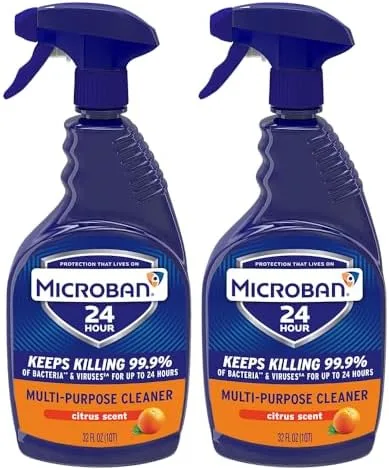
A gritty crust that doesn't budge with a normal wipe points to hard water instead of anything biological, and the smell and bleach tests below won't help with that case. A hard water stain remover clears it in one pass, where bleach does nothing for it.
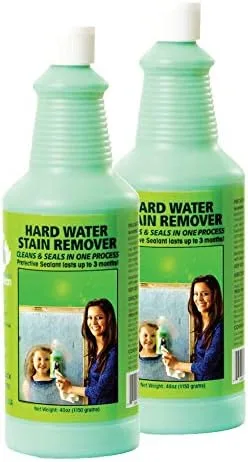
If it didn't fully wipe clean and isn't gritty like hard water, or it came back within a few days, keep going.
Pro tip: Test a small, inconspicuous section first if the caulk is colored or tinted. Some cleaners can lighten colored silicone along with whatever's staining it.
Does It Smell Musty Right at the Caulk?
Yes, this means getting your nose right down near the caulk, not standing there sniffing the air like that'll tell you anything. Mold and mildew carry a musty, earthy smell that a regular cleaning spray doesn't touch, and that smell is the real tiebreaker on a stain that's too borderline to call just from looking at it.
Ventilation and shower steam swallow a weak, localized smell before it ever reaches you from a few feet back. A smell that's noticeably stronger right at the caulk than anywhere else nearby means whatever's causing it is coming from that exact spot, not drifting in from somewhere else in the bathroom.
How Fast Does a Bleach Dab Clear It?
A caulk manufacturer's own method for telling surface growth from hidden growth is timing a bleach dab. Press it to the stain and count. Gone within a few seconds means it was sitting on the surface, while something still faintly there at 45 seconds or longer means the growth is likely underneath the caulk itself, not just on it.
This only works on caulk and grout, since bleach can discolor some painted or finished surfaces. Keep the test confined to the sealant line.
A bleach pen controls that dab better than a soaked cotton ball, no drips down the tile.
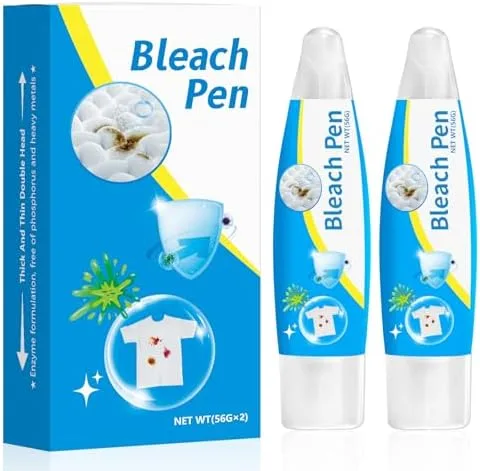
Pro tip: Run the bathroom fan or crack a window before doing the bleach test, and never pair it with any other cleaner on the same spot. Mixing bleach with an ammonia-based or acidic cleaner releases a toxic gas.
Why Mold Can Be Growing Under Caulk That Looks Fine on Top
Caulk seals a joint, but it doesn't always seal it perfectly for its full lifespan. Once a hairline gap opens up from normal shrinkage, movement, or just age, water finds its way behind the bead and stays there, since that space doesn't dry out the way an open surface does. Mold can establish itself in that hidden, constantly damp pocket while the visible caulk still looks fine. A stain's color on day one says less than whether it keeps coming back.
Peeling, bubbling, or soft caulk is the clearest physical sign this has already happened. Press along the bead with a fingertip; caulk that's still firmly bonded to the tub and tile feels solid the whole way along, while a section that's gone spongy or lifted slightly at the edge has moisture, and often growth, sitting right behind it. That section needs to come out even if the surface color still looks mild.
Pro tip: Run a fingertip along the entire bead, not just the discolored section. A soft spot a few inches away from the visible stain is often where the water is getting in.
If the results come back mixed, the line wipes mostly clean but the smell lingers, or the bleach test sits right on the 45-second line, treat it as mold until proven otherwise. Cleaning a spot that turns out to be stubborn soap scum costs a few minutes. Ignoring a spot that turns out to be hidden mold costs a bigger repair later, once it's spread further behind the wall.
Clean It, or Pull the Caulk and Start Over?
- Dirt or soap scum: a normal cleaning routine keeps it from coming back. Nothing further to do.
- Hard water: address the dripping or sitting water causing it, not bleach, which does nothing for mineral buildup.
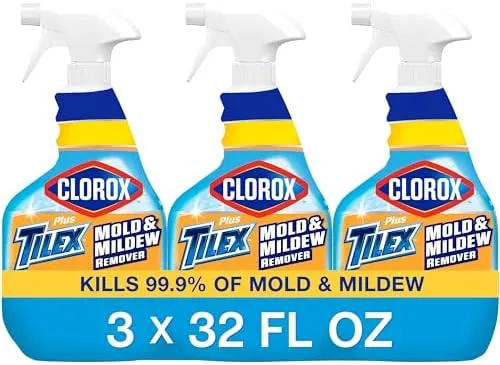
- Mold that cleared on the surface and stayed gone: a mold and mildew cleaner spray handles it going forward, reapplied every week or two in a shower that stays humid.
- Mold that failed the bleach-timing test, kept its smell, or came back within days: the caulk likely needs to come out entirely so you can check what's underneath before resealing.
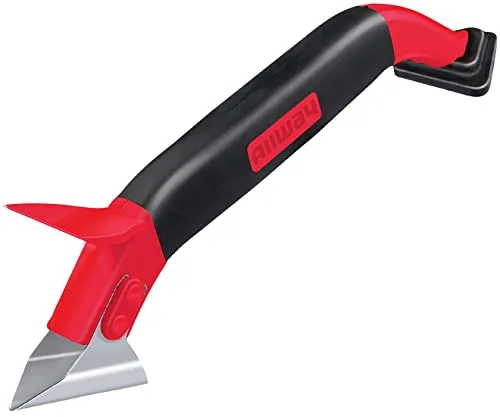
A caulk removal tool makes that last job far cleaner than a utility knife. Cut along both edges of the bead and peel it out in strips to avoid tearing the tile's factory edge or leaving half the old caulk stuck in the corners.
Keeping the Same Spot From Coming Back
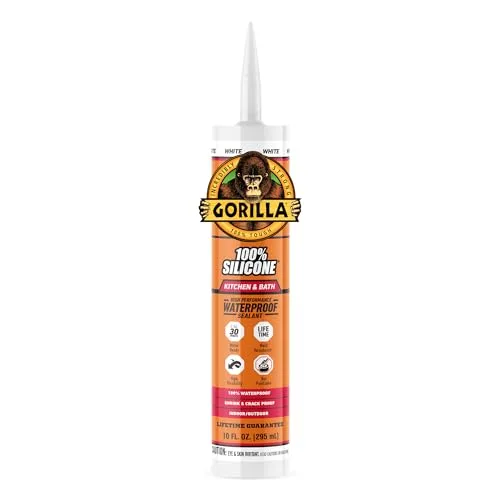
A bathroom's daily humidity doesn't let up just because a stain got cleaned once. Standard caulk doesn't stand much of a chance against that. A mold resistant silicone caulk gives the joint a real head start against the exact conditions that caused the problem the first time.
Beyond the caulk itself, a few small habits slow regrowth:
- Run the fan or crack a window for twenty minutes after every shower
- Squeegee the tub and shower walls so water doesn't sit and evaporate slowly
- Wash a shower curtain liner, or hang it fully open so it dries flat instead of staying bunched and damp
None of that replaces a proper mold-resistant seal, but it buys that seal more time before it needs attention again.
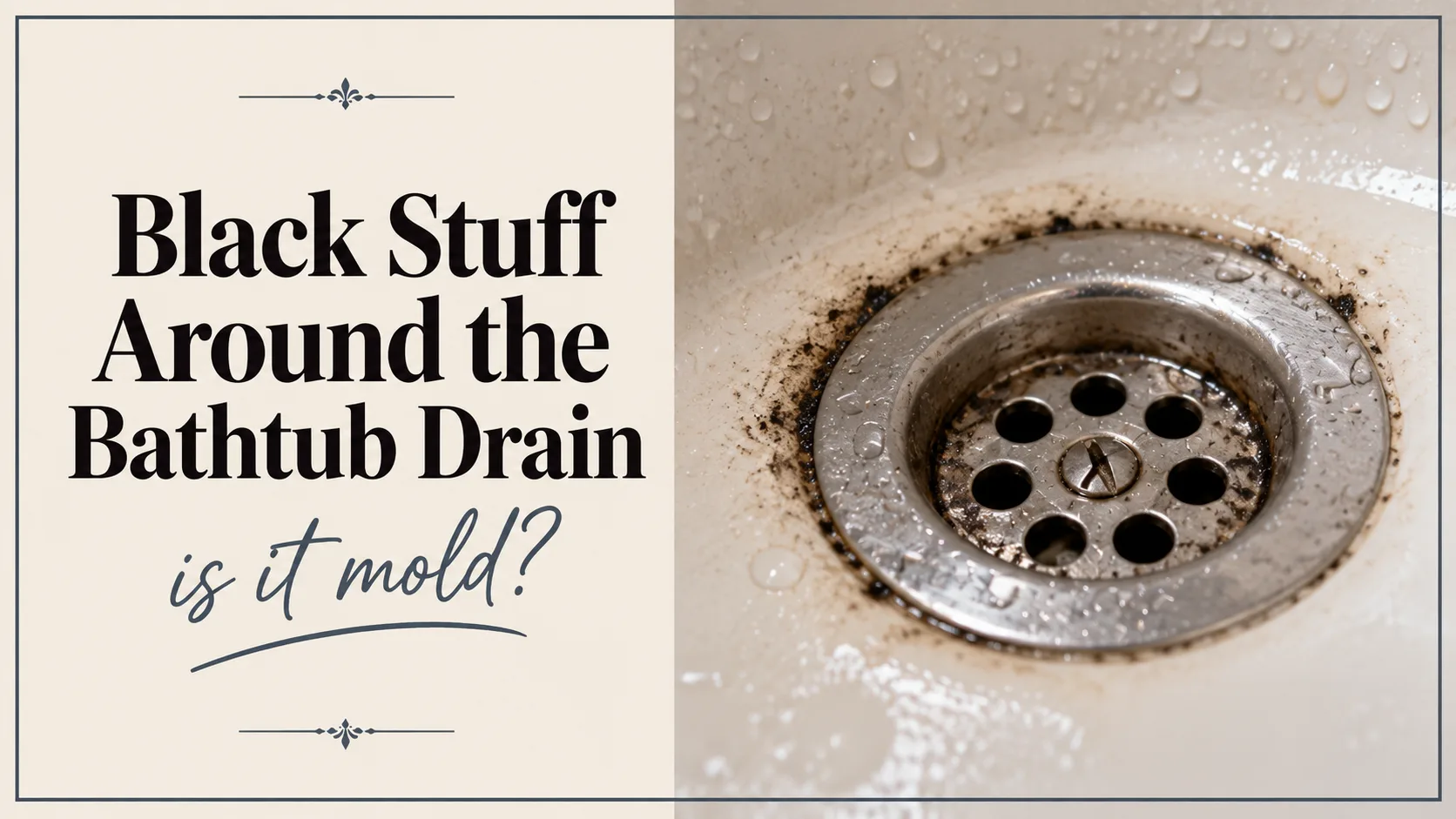
The Bathroom Organization Ideas guide covers the rest of the bathroom, from the cabinet under the sink to the medicine cabinet, once the caulk question's settled. The Spring Cleaning Tips guide has the grout brush and mildew-proof picks worth adding to the same cleaning pass. Same dark-ring question, different spot: the Black Stuff Around the Bathtub Drain, Is It Mold? guide walks through the same kind of texture test for the drain itself.
FAQ
What does mold in caulking look like?
Mold on caulk tends to be black, green, or occasionally pink. The texture is the giveaway: uneven, speckled, or fuzzy, never a flat, even stain. It shows up first in corners and low points where water sits longest after a shower.Is it normal for caulk to get moldy?
It's common, especially in a shower or tub joint that sees daily humidity, but it's not something to just live with. A small amount caught early cleans up on the surface. A stain that keeps returning means moisture has gotten in behind the bead.Can I caulk over moldy caulk?
No. Sealing a fresh bead over caulk that's already growing mold traps that growth in place, where it keeps spreading behind caulk that looks fine on the surface. The old caulk needs to come out, and the joint needs to fully dry, before anything new goes down.What comes first, mold or mildew?
Mildew is the earlier, surface-level stage, a gray or white powdery growth that sits on top of a damp surface. Left alone in the same damp conditions, it can progress into mold, which grows deeper into a porous surface like caulk or grout and is harder to fully remove.Which is worse, mildew or mold?
Mold is the more stubborn problem of the two. Mildew mostly stays on the surface and responds well to a normal cleaning, while mold grows into the material itself, which is why it can keep coming back after a surface clean and sometimes means replacing the caulk entirely.How do I tell if my bathroom has mold?
Look for dark, fuzzy, or speckled spots in damp corners, check whether a cleaned stain returns within a few days, and notice any musty smell that lingers after cleaning. A bleach dab that takes 45 seconds or longer to fade is another sign it's growing under the surface, not just on it.What kills mold on bathroom caulk?
A cleaner made specifically for mold and mildew, used with the full sit time listed on the label, kills surface growth. If the mold is established underneath the caulk itself, cleaning the surface won't reach it, and the caulk needs to be removed and replaced.Final Thoughts
Plenty of dark lines on bathroom caulk turn out to be something a damp cloth handles in thirty seconds. A few turn into a real tear-out-and-reseal job. The visual check, the wipe test, and the bleach-timing test are what tell you which one you've got, instead of guessing from across the bathroom.